"You Can't Really Come Up With That in Fiction" — Emilie Beck
Emilie Beck on Escaping Bolivia, ten years of patience, and the psychology of pressure.
Photos: Ronald Vargas
Emilie Beck on Escaping Bolivia, ten years of patience, and the psychology of pressure.
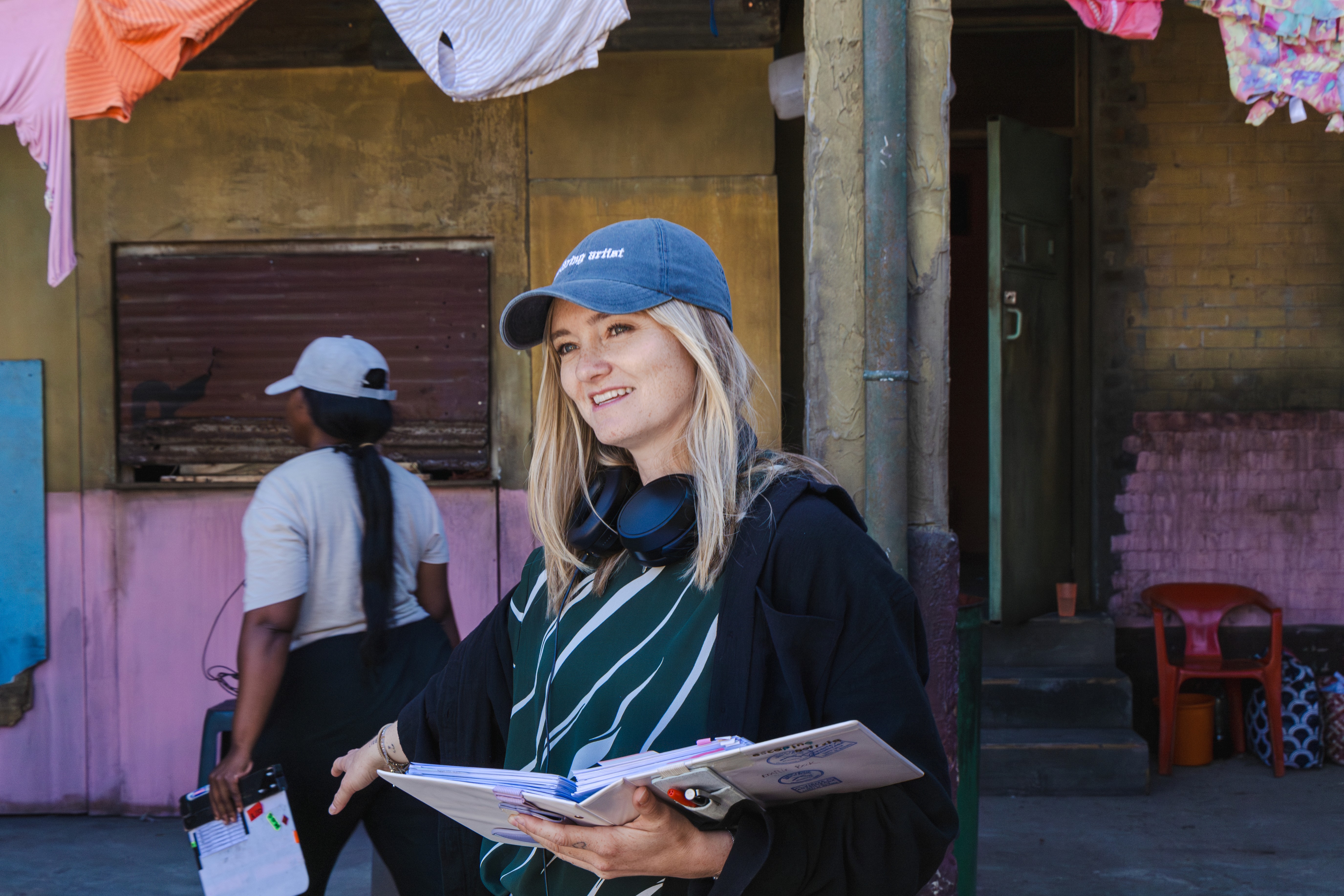
There are stories that feel too extreme to be real, and then there are filmmakers who spend a decade proving they are. Emilie Beck, director and showrunner of Escaping Bolivia, first encountered this story at 16 years old — three young Norwegian women arrested for drug smuggling in Bolivia, thrown into a prison, and eventually escaping through the jungle with the help of a mercenary paid by a men's magazine. She has been living with it ever since. Beck makes it clear how little of her focus was on the spectacle of it all, and how much of it was on the quiet, uncomfortable question underneath: who are you, really, when everything is on the line? After ten years of development, a co-production across two major production companies, and 48 shooting days across four countries, Escaping Bolivia is now streaming on TV2. We asked Beck some questions, and had a conversation about the long road to get here, what the story demanded of her, and what she is finally leaving behind.
You have said that when you first came across this story, it almost felt too extreme to be real. What was it about this case that stayed with you over time, instead of just being something you moved on from?
I don't really know, I just felt really close to the story somehow, and I always have, since I saw it happen when I was 16 years old. "Ida" was a year older than me, and for some reason I was wondering if it could have been me and my friends back then. It made me really curious to know more about how they ended up there.
I'm also weak for true crime, and especially a true crime that doesn't really feel solved. The story is pretty spectacular, seen from a filmmaker's perspective — about three young girls caught with cocaine on a girls trip, thrown into a Bolivian prison, with three different versions of what happened and who's to blame for it. And a massive escape through the jungle, with a mercenary paid by a male magazine.
"You can't really come up with that in fiction."
I'm also very interested in the psychological perspective of it, about who you are when you get pressured to your limit, and what really lies within a human, desperate to save itself. And of course how hard it is to actually do so based on the card you're dealt from birth, if you don't have the money and the resources. I believe we are all more selfish than we want to admit under pressure, and this story made me able to dive more into those aspects, and understand why and how.
You worked with this story over a very long period. What kept you committed to it, especially in the early stages before it became a full series?
To be honest I thought it was the one with the most potential of all my projects, and I really wanted to watch the series myself. I was dying to get it filmed, to see the beautiful colors, create the universe inside the prison, tell the story, give it a new perspective, and of course say something important about the society we live in.
I did believe that the Bolivian case was crucial to dig deeper into, because of how the media portrayed the girls back then too — they got laughed at and bullied by the press. And the more I researched, the more I saw how much they had to go through because of a stupid mistake, and how much of their life they have sacrificed as well. It felt important.
The series explores relationships under extreme pressure. Was that always central for you, or did that emerge as you got deeper into the material?
That is the main core of the project, and something that has always fascinated me. Writers I've learned from always say: put your character under extreme pressure, that is when you see what really lies within them, and who they really are. And this story continued to do this with the main characters. They all react so differently. Some selfish, some selfless. And that is what we are as humans.
I love seeing selfish characters, or people with double standards, because there is something very vulnerable about it. It is who we are. We just hate to admit it, because we so rarely in our daily lives get put under such extreme pressure. So even though a lot of people are very interested in knowing if the girls are guilty or not, for me that wasn't the most important. That is why we don't focus on it in the series that much. I wanted to know what this pressure does to someone, and how far you are willing to go to save yourself.
The series is inspired by real events but shaped as a drama. How did you navigate the balance between staying truthful to the case and building something that works dramatically?
I wrote the series with my co-writer Helena Nielsen, and she was the fiction part of the writing room, and I was the one with all the research from the true story. So I didn't tell her what was true and what was fiction when I wrote the step-out lines for the episodes. She intentionally didn't read my interviews, the court files or the media cases. She treated it as fiction, and saw the dramaturgy as it unfolded. It was easier for her to say what was lacking and what needed more action, and I was the moral compass for the true story.
"We wanted to understand why things happened the way it did, from the inside — not from looking down at them."
My core rule was to always stay true to my gut feeling. Because I had a strong conscience about treating the characters and the story with respect, and so did she.
The series moves between different perspectives. How did you arrive at that structure, and what did it allow you to explore that a single perspective wouldn't?
It became pretty clear early on that the story and the case is so big and complex, that we had to set some rules and limits. We couldn't say everything we wanted to say. That is when we decided that Ida was the main character, and what she didn't know, we didn't know either. She is the main character in the story because she is the one who experiences growth, she takes the journey and goes from being a child to becoming a mother, and she ends up back home after a dangerous escape, leaving the audience an open ending. She is also the only one of those three experiencing being left and abandoned, but she also leaves herself.
We also saw that we needed a critical eye on the case and the media, because they played such a big role in it, so the journalists from Alfa were the ones who knew the facts about the case, about the ring leaders and the court case, and also being the voice of the people.
Portraying the mother turned out to be more important than I imagined at first. She is the empathic, motherly, desperate side of the story, told from the working class in our country. The one who got unwillingly dragged into a tragedy, trying to save her daughter with the little she had, and being there again and again never giving up. For the massive middle class in Norway, it is foreign for so many people to not be able to get the money and the lawyers immediately, so telling Wenche's story felt extremely important. We do have a lot of people here who struggle with money, and they are often not shown that much in fiction dramas.
How was the project received in its early stages, and did you encounter any hesitation around its scale or ambition?
I started ten years ago, when I was 25 years old, wanting to create a massive drama series. I never scaled down before I had to — and believe me, we had to scale down a lot before shooting — because I believed that we couldn't compromise the story, we had to tell it in episodes and we had to do it properly, with the nuances the story deserved. That is also why it took so many years to finance, because it is ambitious and it is expensive.
I did feel that I got most hesitation and resistance from producers and networks early on, because of my age and experience, which I totally understand. It was still important to me to not give up the dream of directing and being the show runner on the series. So when we finally went to TV2 I had gained enough work experience, and all the years of work actually turned into something positive and felt safe, so they just said "great, let's go." And they gave me full confidence, which made me able to follow my intuition as a creator.
What was the biggest gap between how you imagined the project and what was actually possible in production?
We had to make some very tough priorities, especially in the prison and also location wise. At one point we had over 70 different locations because of the scale of the story, and I had to cut down to 50 or less. It also spans over eight years, in four different countries, with extras from a very specific area, kids, babies, and very different environments and situations, so it was really hard to stay in control for all the departments.
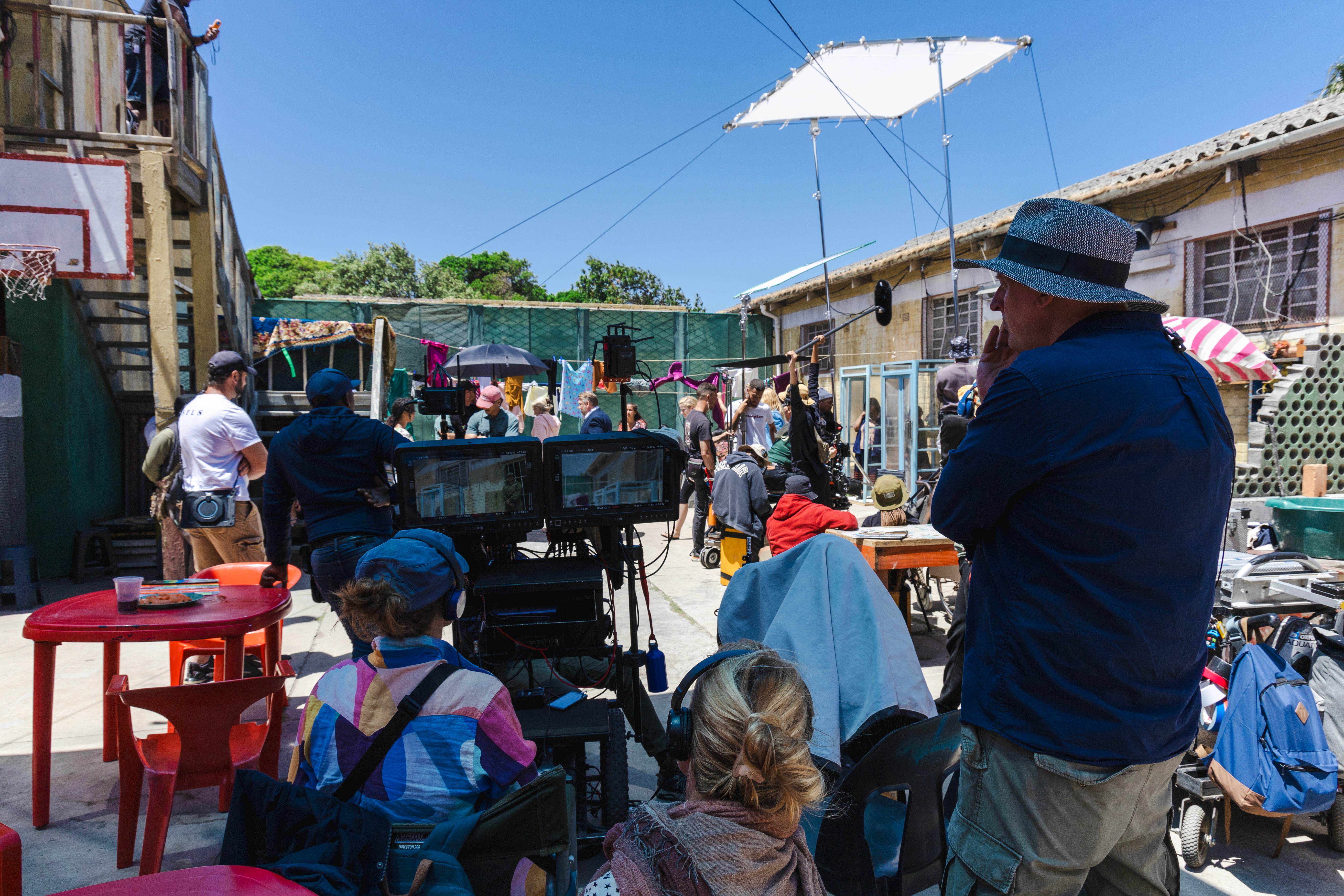
We also had to remove the third floor of the prison because we couldn't build that high, and just be creative and constantly find new ways to make every scene more efficient. We shot the series in 48 days, over 300 script pages, and some days we just didn't get all the coverage we wanted either. That was tough. But it forces you to think differently, and again, be efficient.
You have emphasized authenticity in the series. Did you ever experience that as a creative constraint, rather than an advantage?
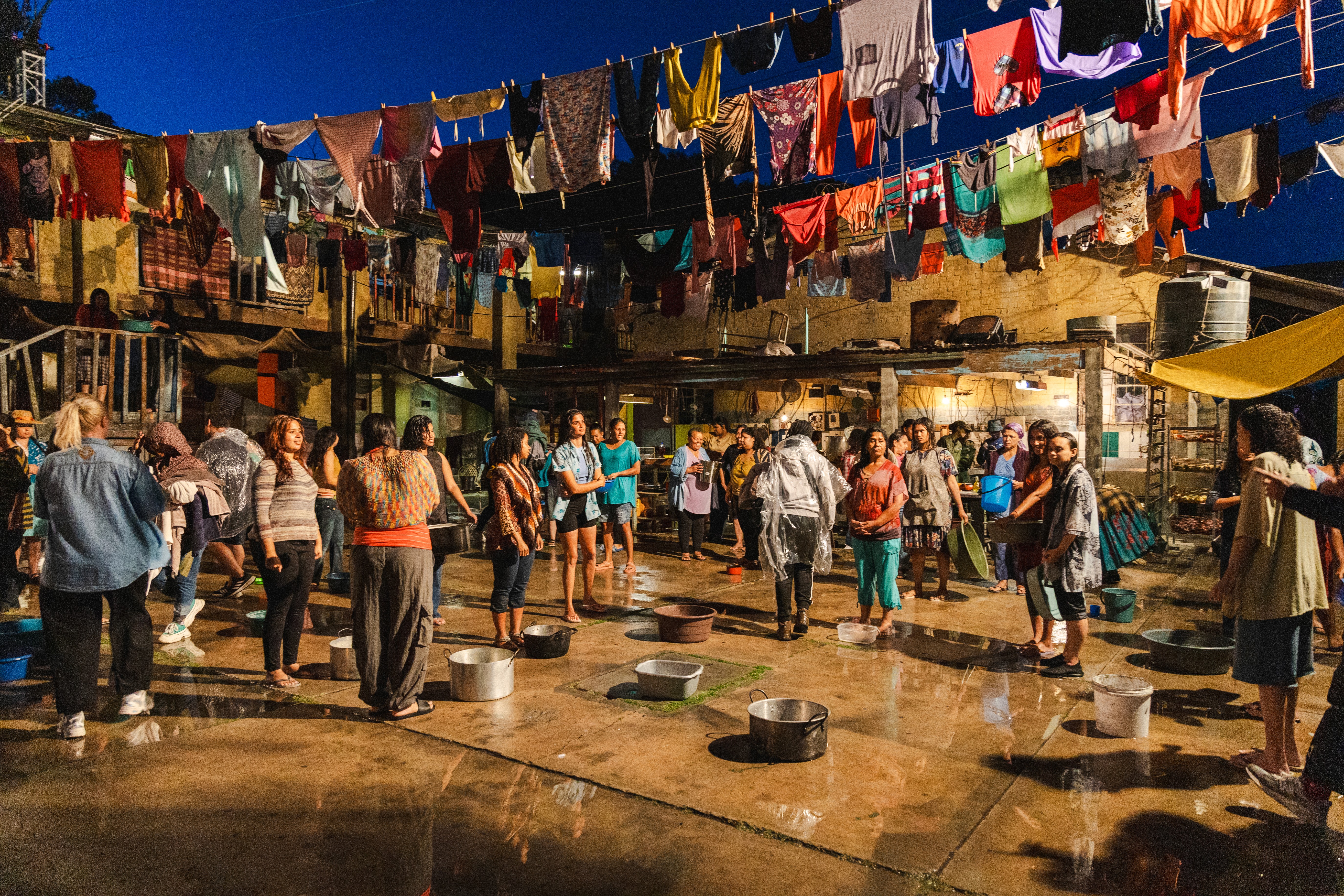
For sure. It gives and takes. Mostly it gives. Especially the authenticity in the prison was extremely important to me, and also our Production Designer Mike Berg. He and his team are so extremely dedicated. Mike, Anna (Gutto, the director of ep 1-3) and I went to Bolivia and I showed them the real prison where the girls were, and also visited several other prisons in the area, so that they could get the feeling of it, the sense of it, and the atmosphere. It was crucial for them to see it for themselves to recreate it.
"I'm a sucker for detail, so sometimes I assume it was challenging for people that it had to be a specific way, but I also believe that that was the heart of the story, that the audience felt that, and that the authenticity made the series better, and look very different from any other show."
When you stepped into directing parts of the series, how did your approach shift compared to writing and developing it?
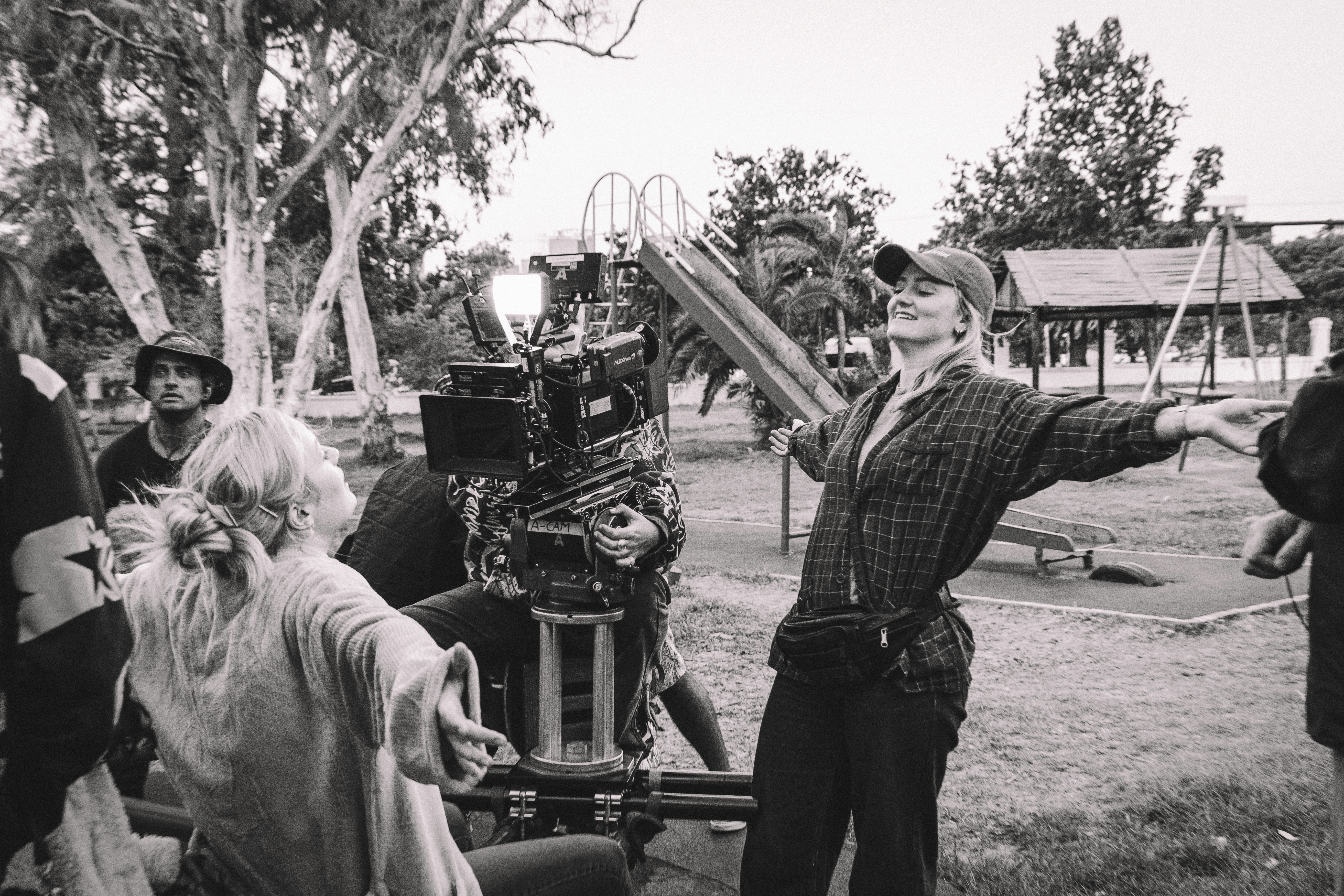
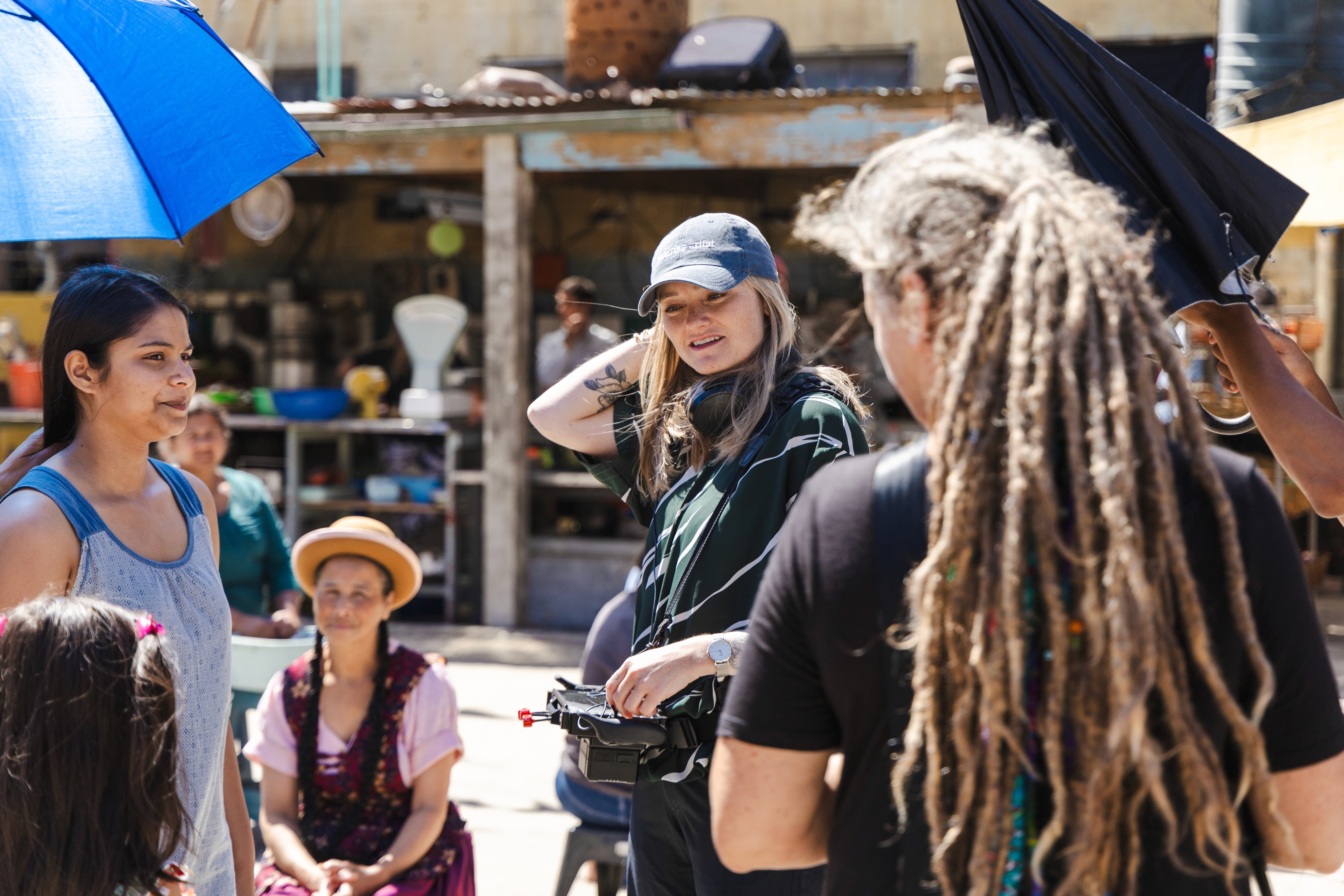
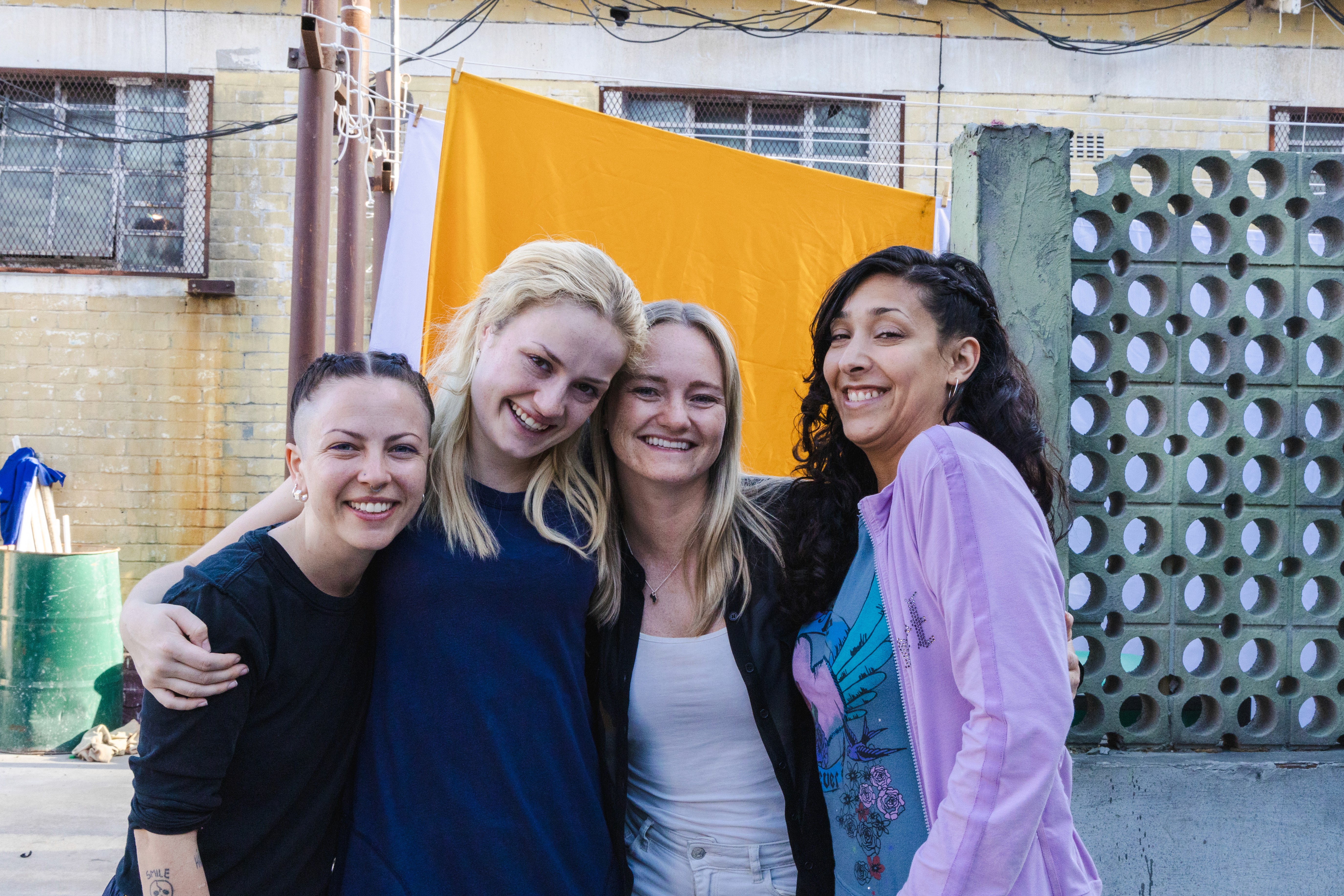
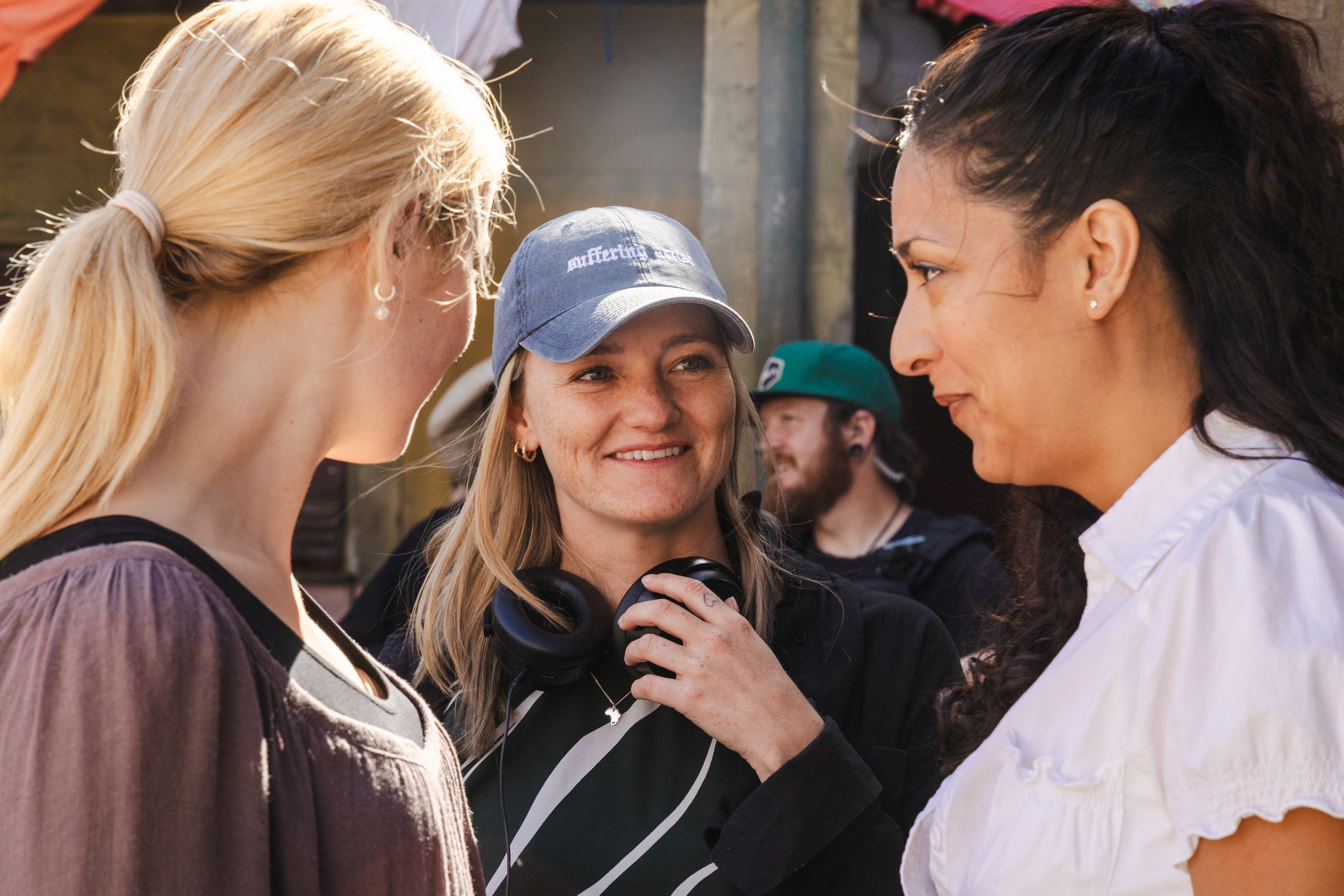
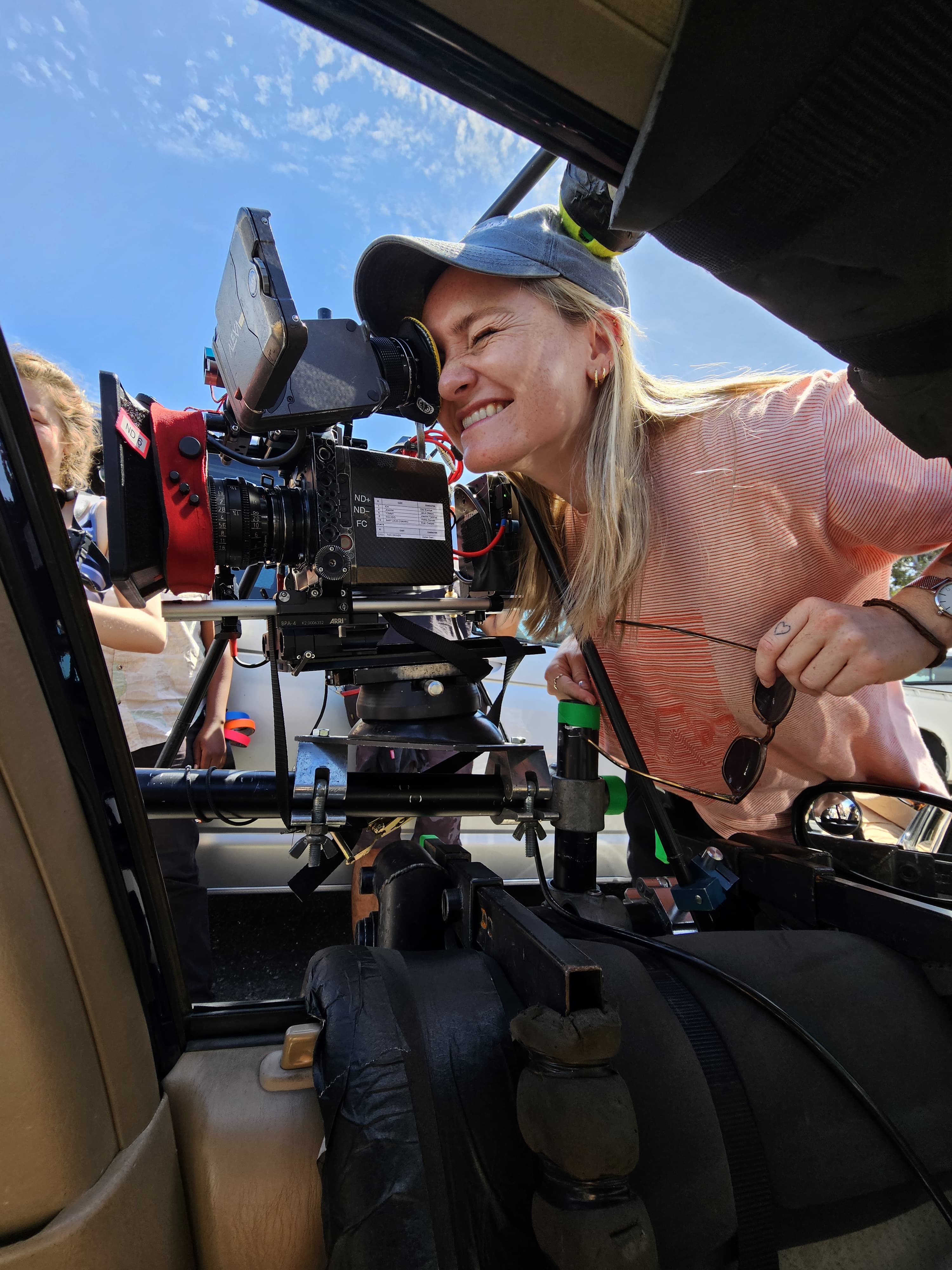
The shift was something I felt more in my body, because being a director is being on the floor, making decisions and talking to a lot more people than when you are writing it. I of course also had to be more vocal about my thoughts and my vision, and be patient and open to being challenged with the scenes, the lines and what I've pictured in my head now that it's created by a crew of 150 people wanting answers from me. I did have to practice to take the room and speak loud and confident as well. This production was so much bigger than I've ever done before, so of course I was nervous. The hierarchy was very new to me, in Cape Town they work on bigger sets so the showrunner is rarely challenged like they are in Norway because the structure between the departments are more flat here. But they had different social rules and ways I had to behave too, which I had to be taught. I was the one with all the answers right. But sometimes I wasn't. So I wanted to be challenged by the Head of Departments or the other director, or the producer. But also … I wanted to be approachable for every department, also the extras and the PAs. I had to be me, and I wanted everyone to be a part of it and feel motivated and take ownership. And sometimes that is a lot, if you open the door to let the extras talk to you whenever — but in this case, it was wonderful.
Was there a specific moment during the process where the series clicked into what it ultimately became?
Hard to say because it took so many years, but of course it clicked when TV2 said yes to the series, and to developing the scripts. They didn't hesitate, so it gave the project and us so much energy. It started to be fun again, not just uphill battles.
You first encountered this story at a relatively young age and stayed with it for years. How do you see that reflected in the kind of stories you are drawn to as a creator?
I've always been drawn to stories with a nerve of truth. And especially if it gives me and others conflicted feelings, that it is not just black and white, because that's when you know that it is an important story to tell. To be able to stay so long on a project, you have to want to say something. Or at least I do, unless I stop caring.
After carrying one story for so long, what are you interested in exploring next, and what are you leaving behind?
I'm so extremely grateful for this project, and all the amazing people I've met and learned so much from. I also feel very fulfilled and pleased with being done with it as well, ten years of my life is a lot. I'm working on my next feature film I'm shooting this summer, which is a thriller inspired by a true story as well. Right down my alley.
If you could go back to the very beginning of this project and tell yourself one thing, before all the years of development and production, what would it be?
I would tell myself that it will all be okay, you just have to be patient. Everything will happen the way it is supposed to. And time is valuable, sometimes it is necessary that it takes time.
"I would tell myself that it will all be okay, you just have to be patient. Everything will happen the way it is supposed to."
Escaping Bolivia is streaming on TV2, Norway. Emilie Beck's next feature film is currently in production.