A Letter from Grimstad 2026
Five days at the 49th Norwegian Short Film Festival, my first time in the small town where everyone starts.

Photos: Parham Nikseresht
A short festival in a quiet town goes by quickly and stays with you longer than you expect. This is a record of my first time in Grimstad.
Arriving
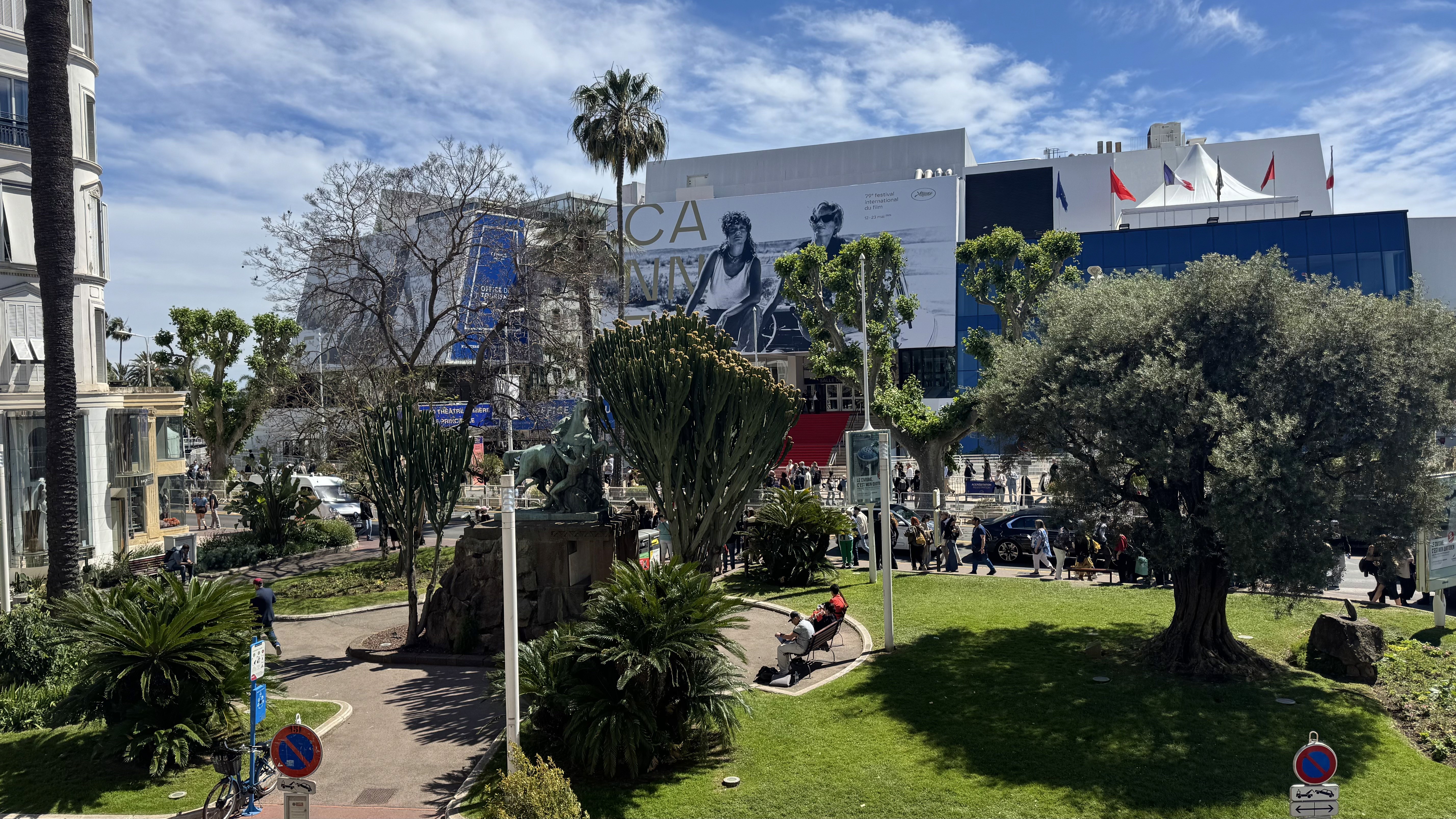
After Cannes, Grimstad is a different kind of festival entirely.
You come in along the water and the town is just there, white houses stacked up the hillside under a gray June sky. No billboards, no barricades. It is hard to believe that this quiet place is, for five days in June, the center of the Norwegian film world.
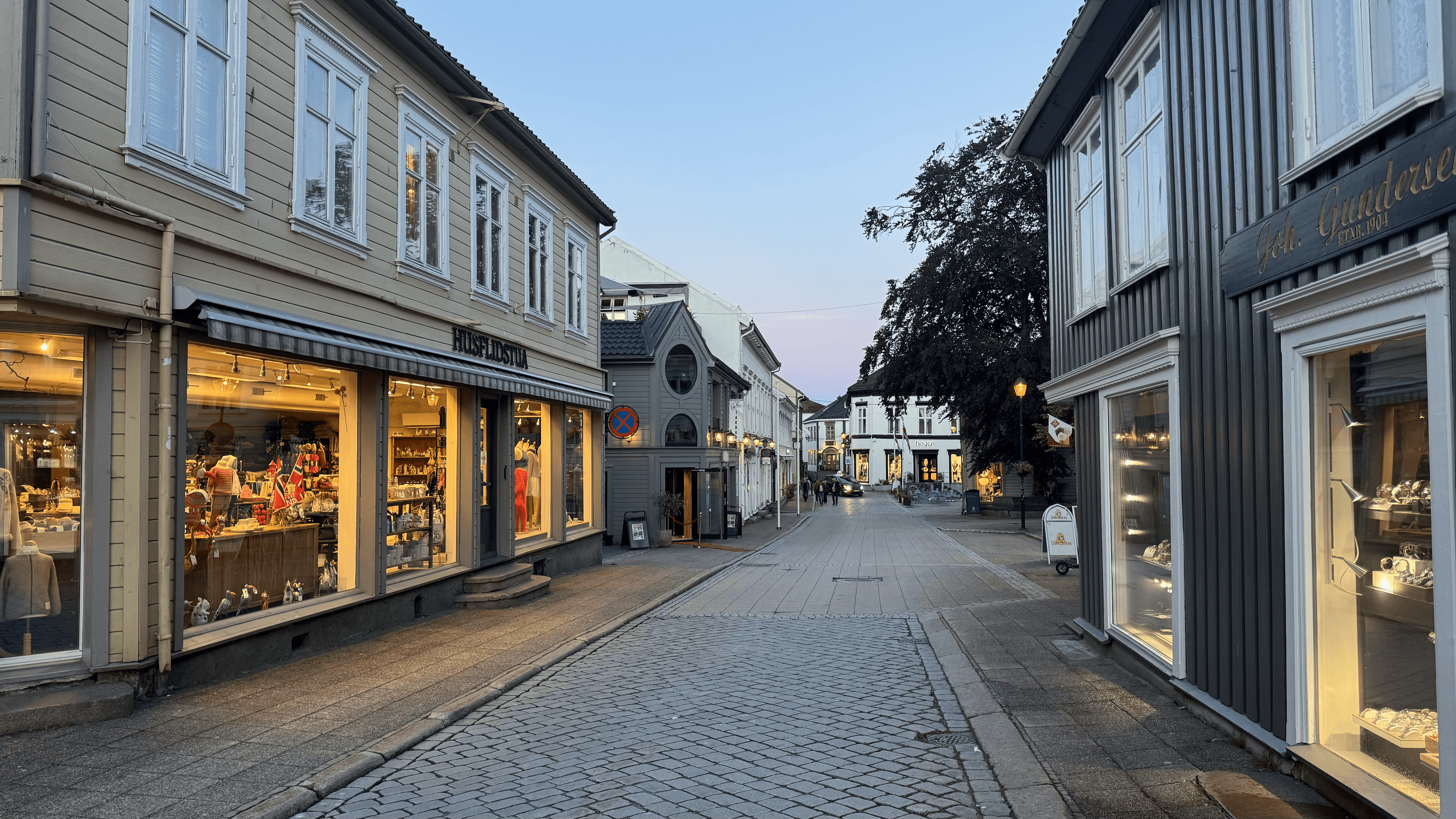
This was my first time at The Norwegian Short Film Festival, and I went as part of Kolibri, the talent program run by Viken Filmsenter. That framing changed the week for me. I was not just passing through, I was there to meet people, to learn how this part of the industry actually works, and to see a festival that almost every Norwegian filmmaker has passed through at some point.
The festival
The festival lives at Grimstad Kulturhus, a wooden building in the middle of town with cinema, theatre and concert halls all stacked inside.
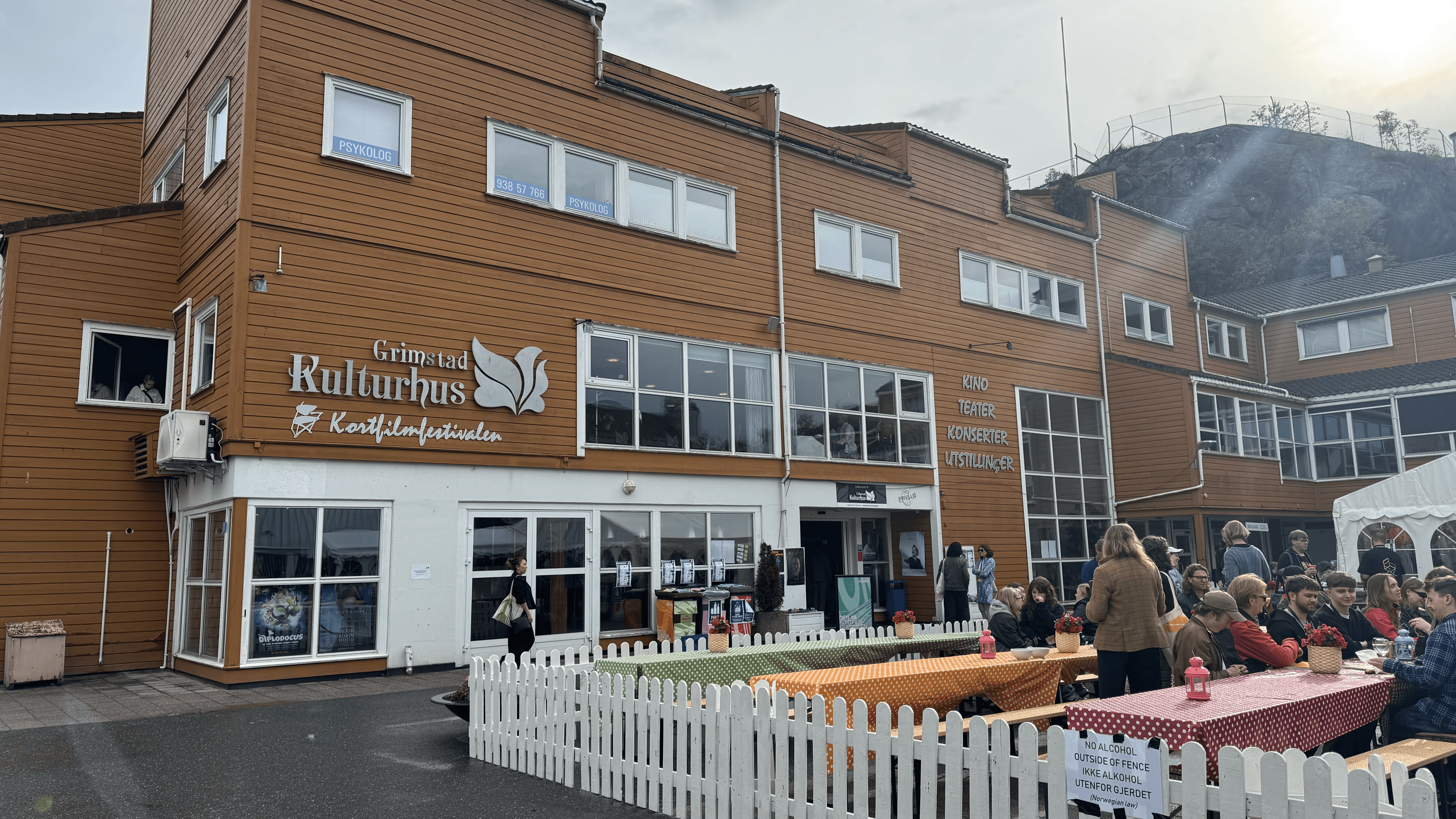
The Norwegian Short Film Festival has been running since 1977. It is Norway's largest short film festival and the only Academy Award qualifying one in the country. This year the programmers went through more than 3,000 international submissions and several hundred Norwegian ones to land on the films that actually screen. For a festival in a town this size, those numbers never quite stop being surprising.
What people tell you, again and again, is that everyone starts here. Joachim Trier, Eskil Vogt, Renate Reinsve, a long list of names you already know. They all came through Grimstad first. There is something grounding about that. The festival does not pretend to be glamorous, and it does not need to.
Everyone starts here.

The boat and the tent
What a small festival does better than a big one is put everyone in the same place.
One afternoon a group of us ended up on an old wooden sailboat in the harbour, the Solrik, packed with filmmakers in the sun. It is the kind of afternoon that only really happens somewhere this size. Here, you just end up next to people.

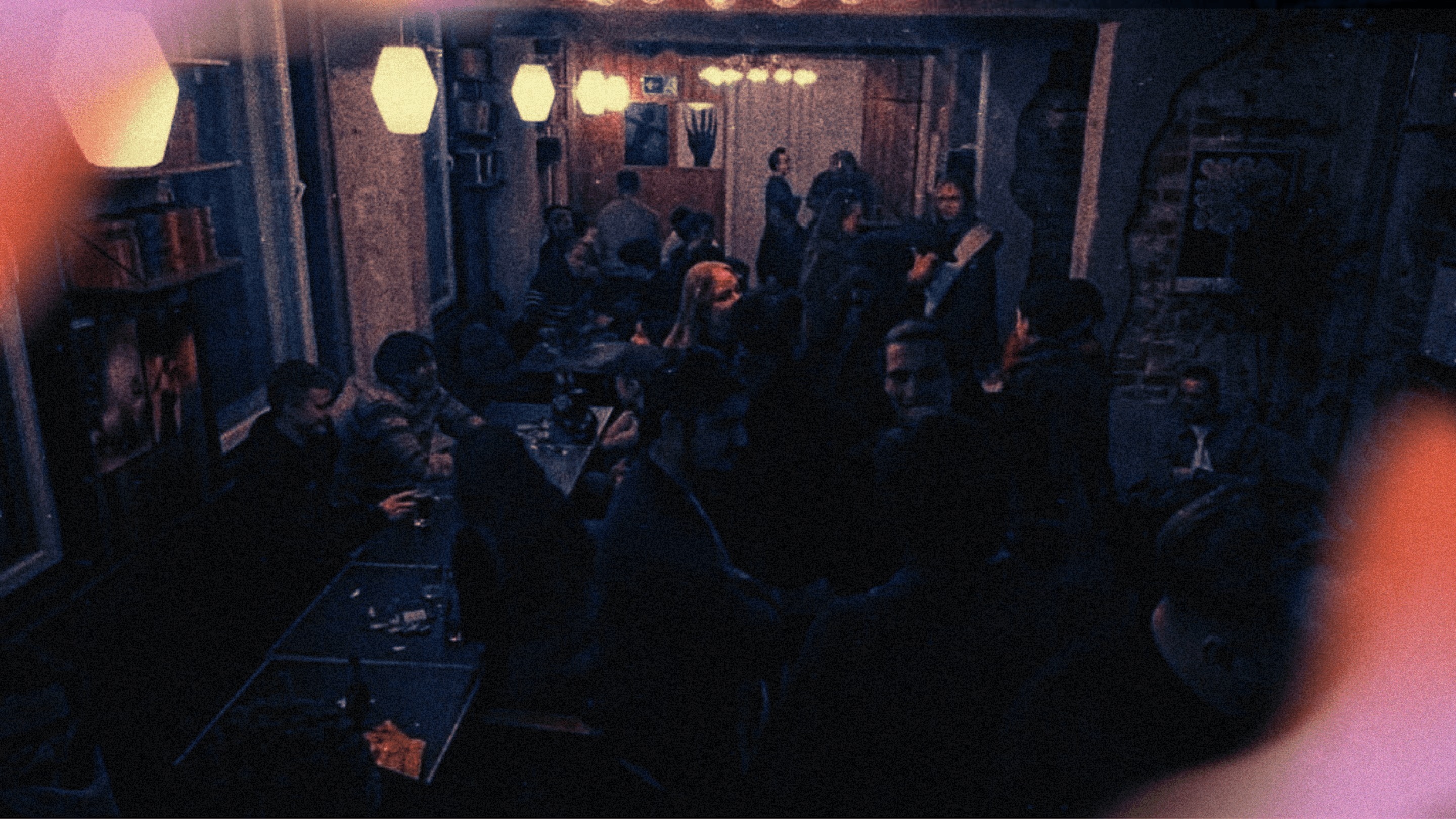
In the evenings, everyone funnels into the festival tent, close enough that you cannot help but talk to someone new. After a few days, faces start to repeat. You begin to recognize people, and they recognize you.

The films
And then there are the films, which are the reason everyone is here.
Short film is its own discipline. There is no room to waste. The good ones do in twelve minutes what a feature takes two hours to do, and you walk out of a screening block having felt ten completely different things. Some stay with you for days. Some you are still turning over on the drive home.
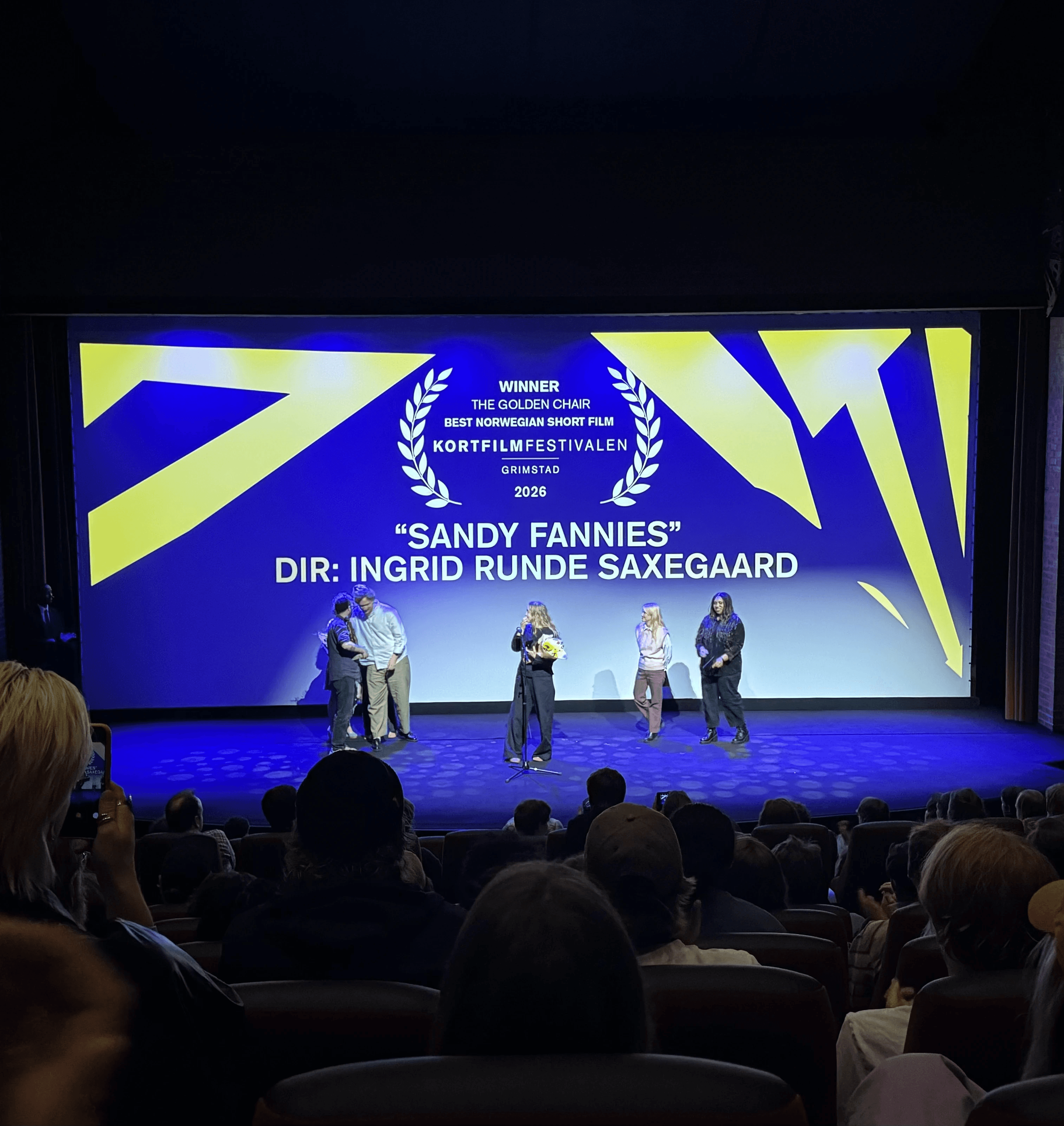
On the final night, the awards. The Golden Chair for Best Norwegian Short Film, the festival's biggest prize, went to Sandy Fannies (Sand i tissen) by Ingrid Runde Saxegaard. Watching the team walk up on stage, in a room full of people who make exactly this kind of work, it was easy to feel why this festival matters to the people in it.
Going home
Grimstad does not try to be the biggest festival, and it does not need to be. It is quiet, intimate, and in some ways more useful for it. It is a place where the Norwegian film community actually sits down together once a year, in a town by the sea, and remembers that it is a community.
For a first-timer, that turned out to be the whole point.
See you next year.