The Story Told Through Melody
I started making music when I was around eleven years old. What began as experimentation quickly turned into obsession.

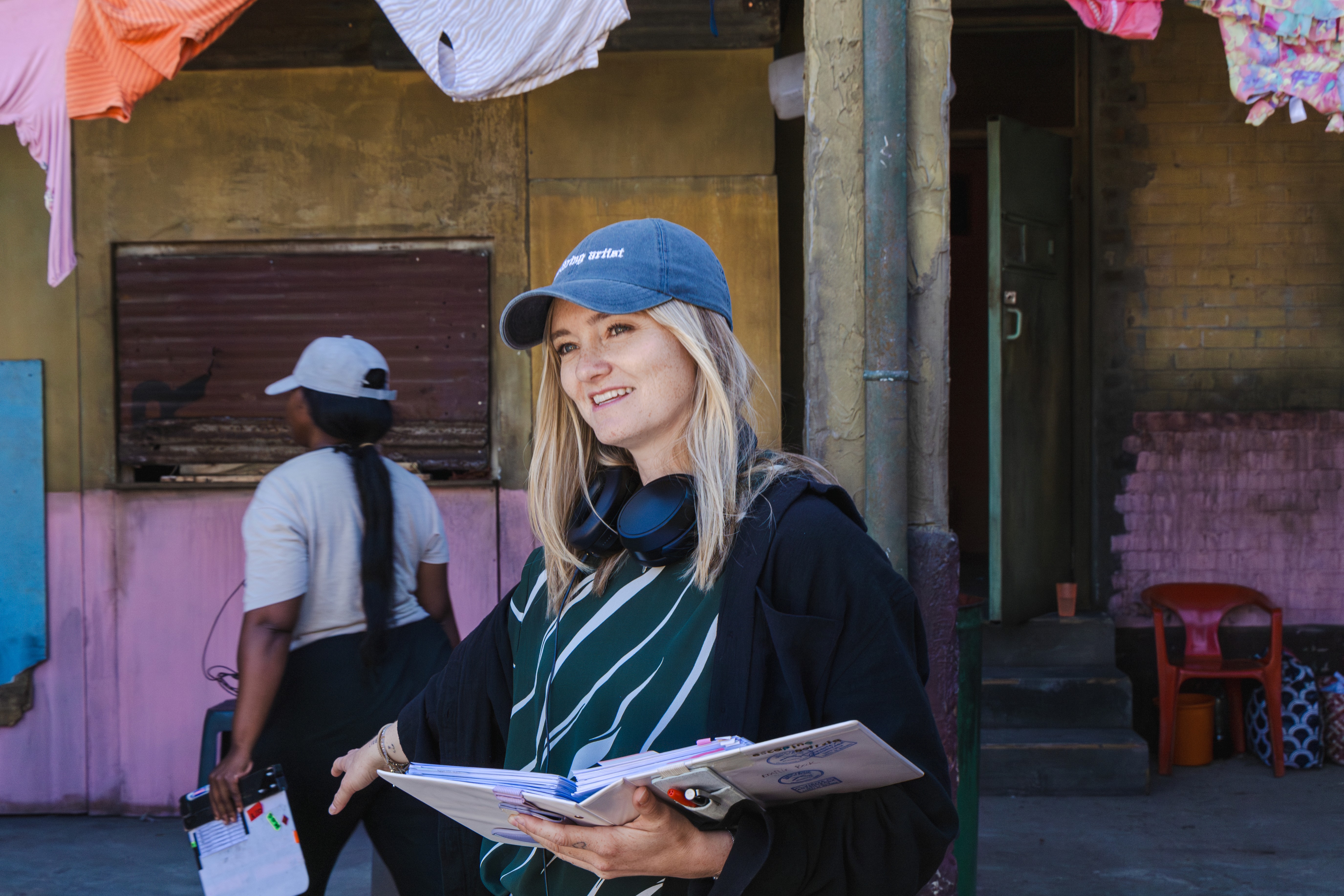
Photos from Ben Herland
As a child, I remember sitting with my family watching The Last Samurai (2003). The film follows Nathan Algren, a war veteran struggling with guilt and trauma, who finds himself drawn into the world of the samurai and their philosophy of inner peace. I was captivated by the story, the action, and everything visual that coated the film. However, there was one thing that stood out to me. Something that always made me emotional despite what was going on on screen. A different type of medium that gripped my heart so tightly it was impossible not to feel.
The score.

In this case, composed by the great Hans Zimmer. I sat there as a child and withheld tears with all my strength every time the various themes were played, as I simply wanted to turn off the screen and just listen to the brilliant arrangements. It was almost religious. That's when I understood the power of music on screen. How it coated the story like a warm blanket, but also brought life and emotion to it, strengthening its impact significantly and making me remember the story even more. It was a different type of storytelling. A story told through sound. It was magic. I found it incredible that so much depth, fantasy, emotion, and spirituality could be retrieved from music that didn't even have lyrics. It didn't tell you what to feel, you just felt it.
Like many musicians, I grew up in a musical household. My grandmother used to play gospel hymns on the piano after dinner, while my mother frequently filled the house with music from a wide range of genres. Despite loving music, I wasn't particularly interested in playing an instrument as a young child. I simply loved listening to it. That changed when my mother signed me up for piano lessons at the age of eight.
The following eleven years became an education in both frustration and discovery. More importantly, they gave me the foundation I would later rely on as a composer. Over the years, I became fascinated by artists such as Moby, Röyksopp, Enigma, Enya, and Massive Attack. The cinematic and experimenting qualities in their music are something I would say influenced my later attraction to film scoring.
I started making music when I was around eleven years old. What began as experimentation quickly turned into obsession. I spent countless hours exploring sounds, synths, melodies, and arrangements, constantly trying to improve. Music became something I simply had to create. It needed to leave my head and exist somewhere outside of it.
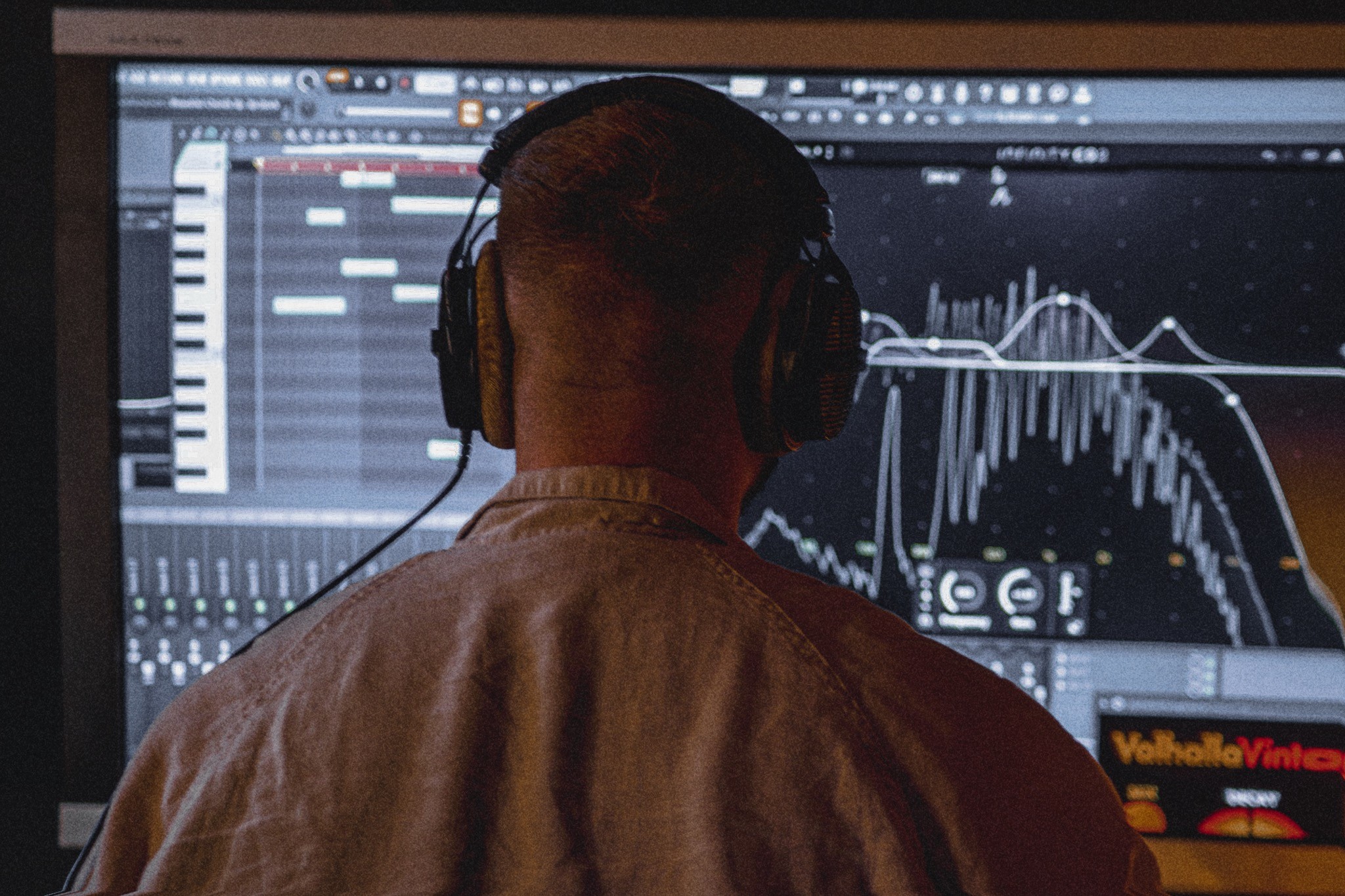
In my late teens, I began releasing my own music independently. Most of it leaned toward electronic pop and more commercial formats, yet I kept creating cinematic instrumentals on the side. They never seemed to fit anywhere. As a result, they ended up sitting in endless folders on my computer, rarely released but constantly revisited and refined.
What I didn't fully understand at the time was that those forgotten instrumentals were probably pointing me toward the type of composer I would eventually become. As throughout those years, my fascination with film music never disappeared. I continued listening to film scores, studying composers, and watching films largely because I wanted to understand the relationship between music and story. Eventually, that fascination began to shape my own compositions more deliberately.
Like many young composers, I initially believed complexity was the same thing as quality. My early work was often overcrowded with ideas, sounds, and layers. I felt the need to prove everything I was capable of within a few short minutes. The result was usually the opposite of what I intended. It took years before I understood the value of simplicity.
In many ways, it reminds me of how we experience a flower. We don't admire it because we understand every microscopic detail of its structure. We admire it because of what we immediately feel when we look at it. That's what film scoring eventually became for me. Simple melodies carrying emotional weight. Music guiding the audience's attention without demanding it. Music helping us understand what a character feels when words alone are not enough. The purpose was never complexity, it was clarity.
This phenomenon of creating cinematic music while pursuing other genres continued for years. Eventually, in my mid-twenties, I decided that I needed to do something about this growing cinematic side of my music making. I then decided that I wanted to focus more on making music for film and television and show people what I could provide them with. So, I did what many music producers would do when entering a brand-new space. I made a playlist of the tracks I believed were of good enough quality and started contacting film production companies around Norway with the hope of getting a chance to compose for a project.
Hundreds of emails, dozens of replies, and a handful of smaller projects started the journey. I still remember hearing one of my compositions against a picture for the first time and realizing that the feeling I had experienced as a child watching The Last Samurai was now something I could contribute to myself. The rest of the process became building blocks upon what I had done.
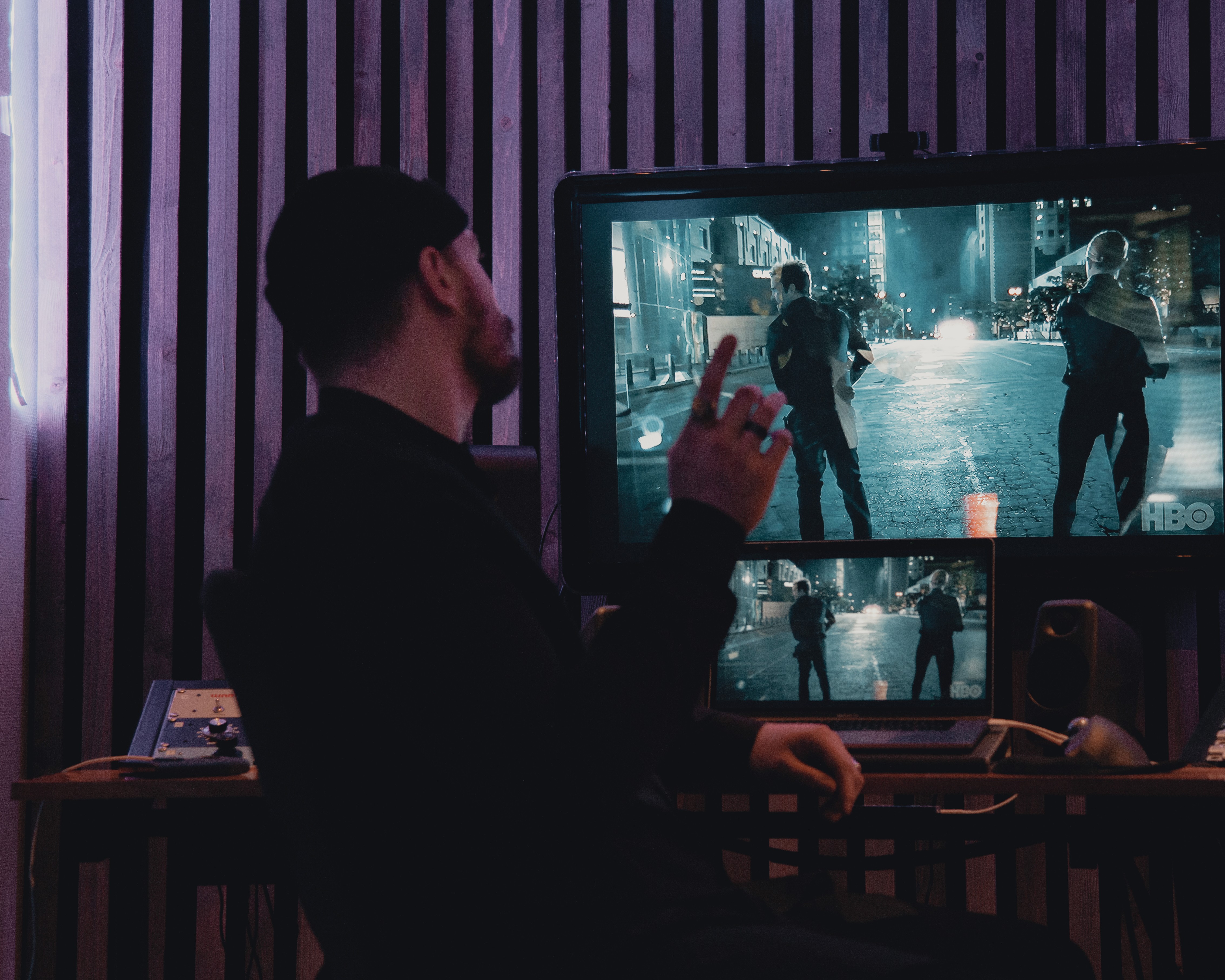
As a composer, you have to be able to connect with a director's vision while also providing a perspective that feels empowering and unique. You need to share their vision and understand it from both their perspective and your own in order to create something truthful. As with everything, some projects are creatively simple while others are considerably more demanding. Regardless of the project itself, professionalism was always something I took immense pride in.
Over time, I came to believe that reliability matters just as much as talent. Deliver on time. Be open to criticism. Respect the people around you. Have confidence in your abilities without allowing ego to take over. If you consistently embody those qualities, people remember you. After all, this is an industry built on trust, collaboration, and the exploration of human emotion, which is precisely what makes it magical.
Working as a composer today comes with challenges that previous generations never had to consider. Technology continues to reshape the creative industries at a high speed rate, and AI has naturally become part of that conversation. I understand both opportunities and concerns in these developments. However, one thing remains certain to me: no technology can replace genuine human experience, authenticity, and creativity. I have seen and experienced this, and it's something that fuels me to continue making music that's perfect in its imperfection. To me, music is the unwritten story of our existence and beyond. Like us, it needs to progress and develop outside the box before it eventually gets into it. That's what I love about what I do. I love pushing limits, deep-diving into my own psyche, my own emotions, and my understanding of life's experiences. I love solving the various melodic problems I face when I feel they don't quite resonate with what I am trying to express. I find it incredibly meaningful despite my never-ending pursuit of perfection.

Bringing it back to The Last Samurai, Katsumoto, the leader of the samurai, says the following to Nathan Algren while in a garden:
The perfect blossom is a rare thing. One could spend a whole life looking for one, and it would not be a wasted life.
To me, that's film scoring. The chase to improve and search for that perfect melody that you feel you might never achieve, yet the journey is, in many ways, more meaningful than achieving it.