The Spotlight Series
Nordic Filmmakers
discover new talents
As a part of the Oslo Filmmakers Spotlight series, we want to highlighting voices from the community.
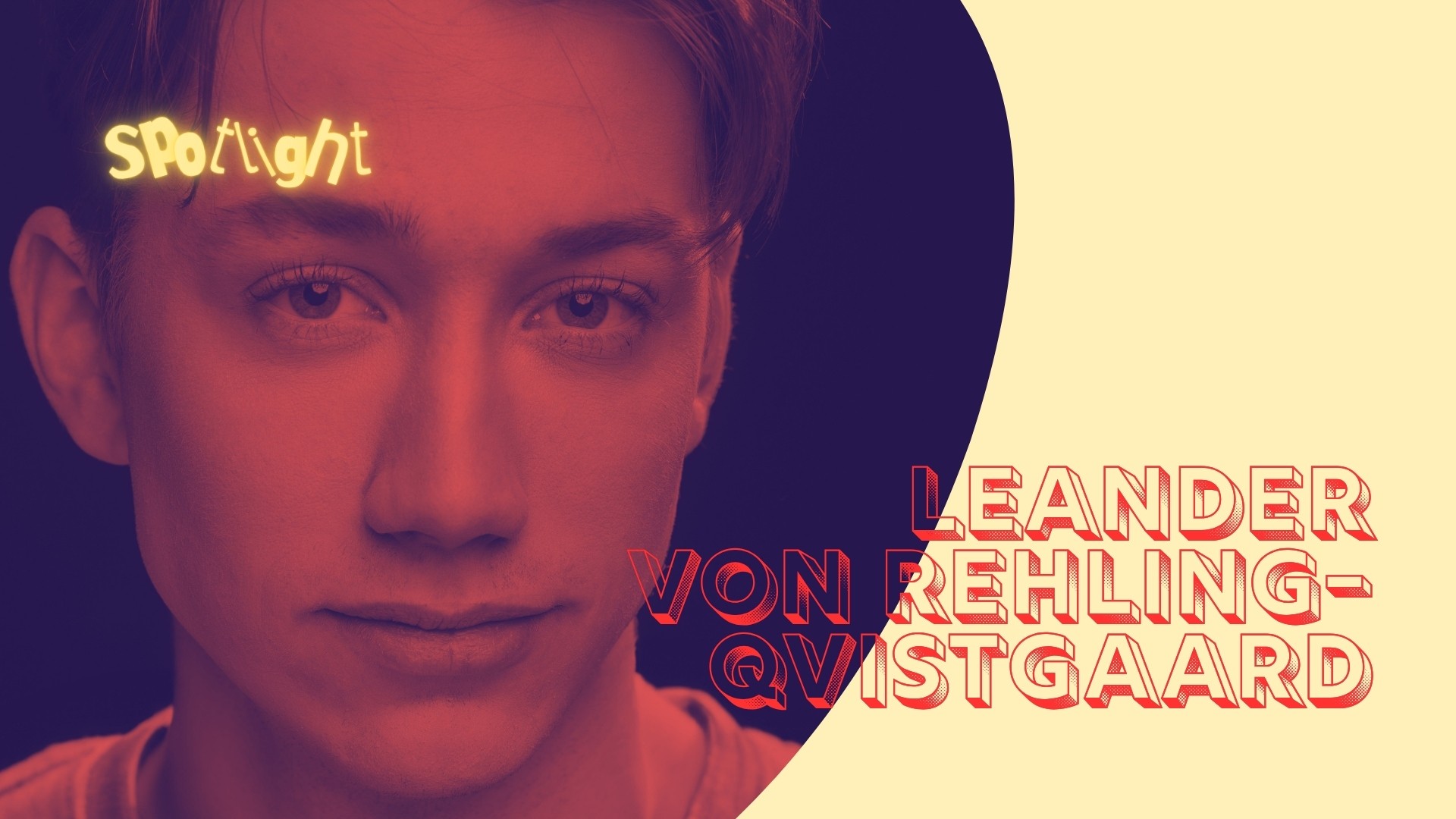
A short conversation
with a new voice
We had a chat with cinematographer, Leander von Rehling-Qvistgaard and talked about his approach to bieng a DoP, his recent work on the short: “Ved Veiens Ende”, and the balance between cinematic beauty and naturalism.
Who are you, and what do you do?
My name is Leander von Rehling-Qvistgaard, and I am a cinematographer.
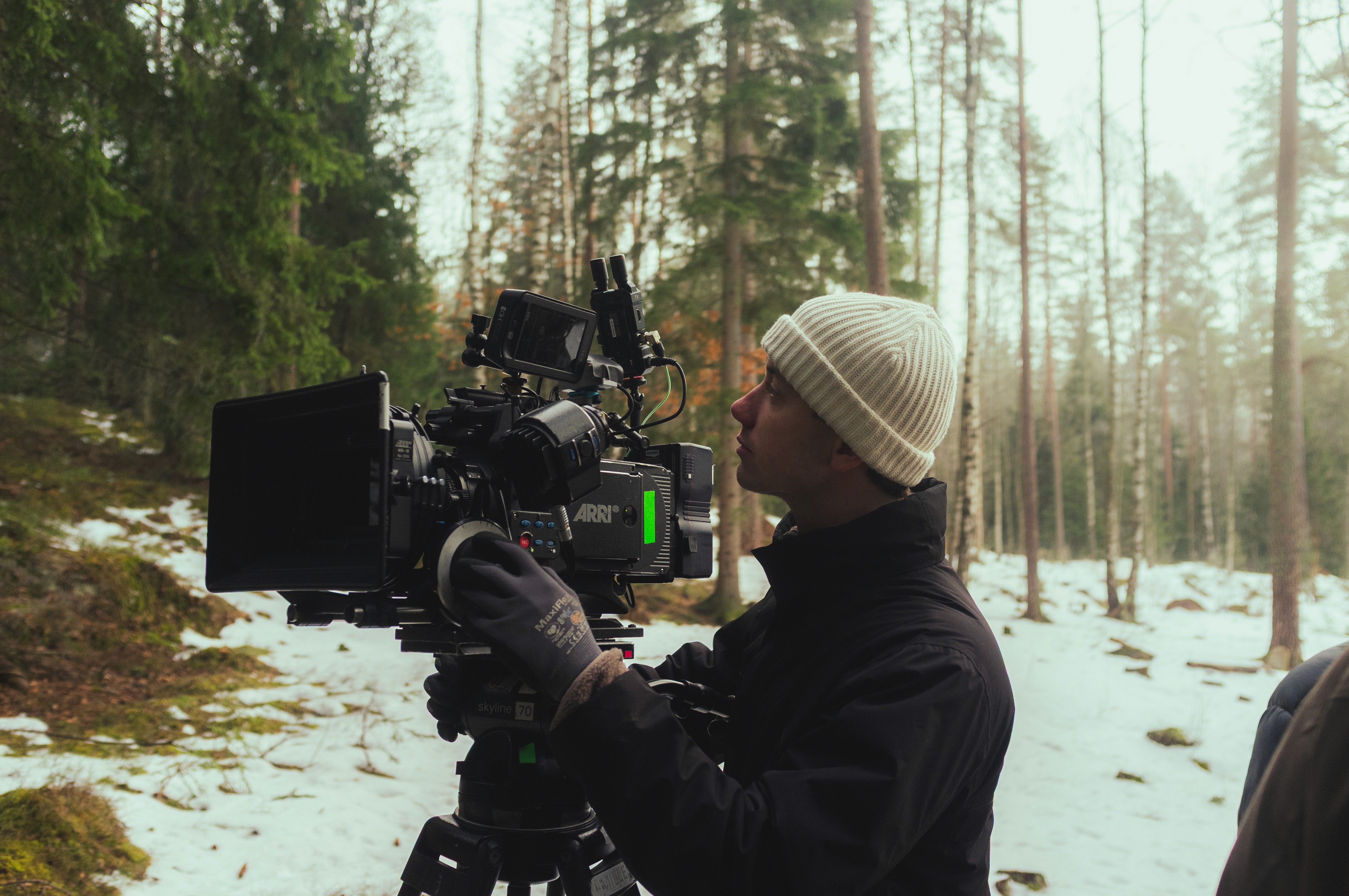
I started the production company Snowflake Film with my cousin in the fall of 2019, during my first year of high school. We both studied Media and Communication at different schools, he is one year older than me. We began by doing photography for family and friends, then moved into photo and video work for restaurants in Lillestrøm. He later dropped out and now works full-time as a basketball coach. I have since discontinued working through Snowflake Film and now work as a freelance cinematographer.
After graduating high school, I went straight into studying Film and TV at Kristiania, previously Westerdals, specializing in cinematography. I finished my degree last spring and have now been working freelance for about half a year. I have worked on both commercial and narrative projects. In total, I have been working with film for a little over six years, though not full-time in the beginning.
I haven’t fully found my visual language yet, and I think I am still early in my career to define a specific style. I feel there is a fine balance between the cinematic and the naturalistic. My main goal is to create the most visually beautiful images possible, as long as the story allows for it.
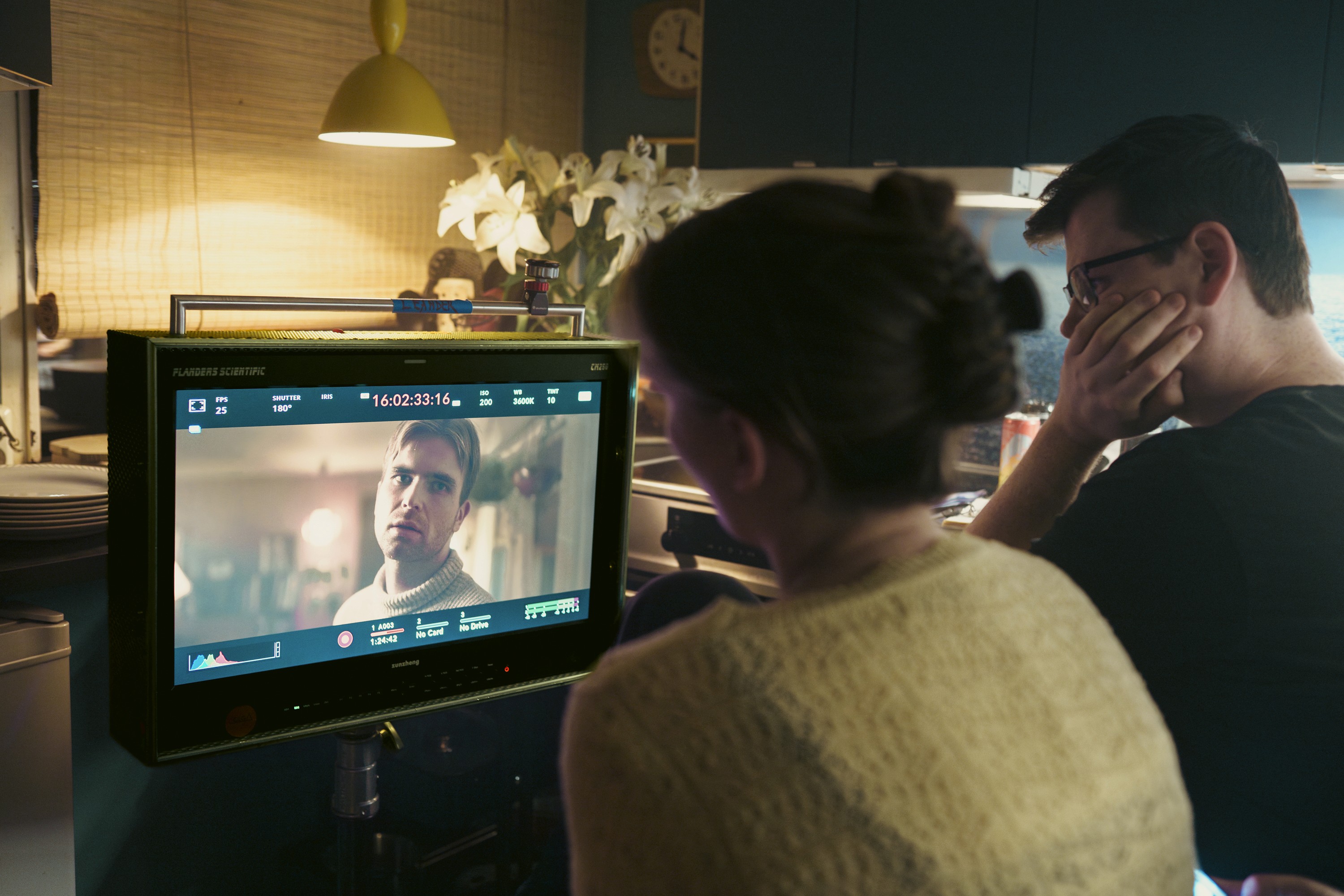
I’m very drawn to the anamorphic look, but I’m also aware that it can sometimes make me lazy, as the lenses themselves carry so much of the visual character. At times, spherical lenses can feel a bit “boring.” However, I deeply admire Roger Deakins, who shoots exclusively on spherical lenses, and his films look incredible, so I have no reason not to explore that approach further.
I recently bought my first set of spherical cinema primes to push myself to improve in other areas that truly shape strong images, especially lighting. I believe lighting is the single most important element in cinematography. Even though I learned a lot about it during my three years at Kristiania, there is always more to learn.
After every production, I ask myself: why doesn’t this look like a Roger Deakins film? I write down what worked, what didn’t, and what I can improve next time. I’ve started doing this consistently over the past year, and it has helped me develop significantly as a cinematographer.
What is the latest project you worked on that you are proud of?
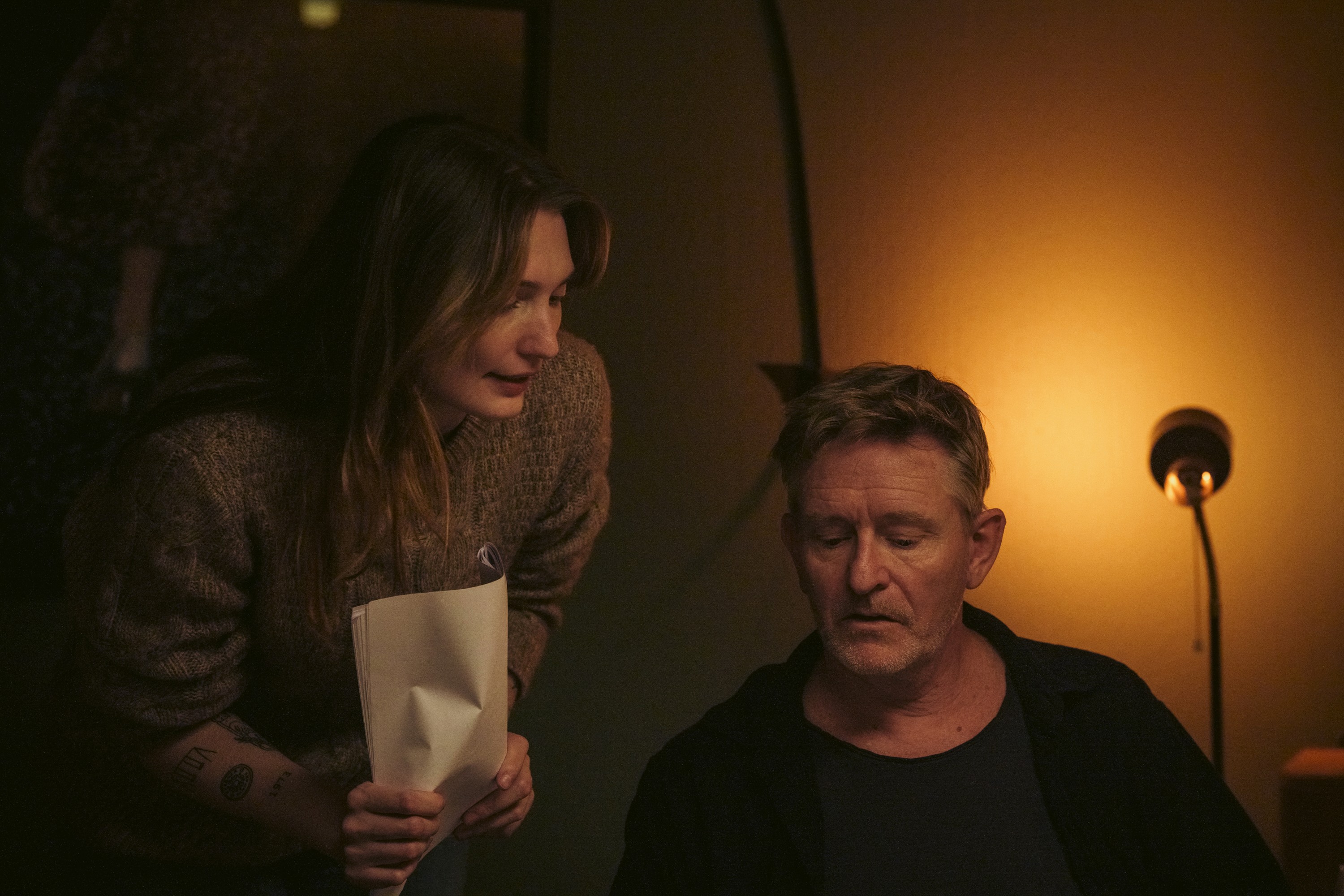
I recently wrapped the short film Ved Veiens Ende, directed by Malky Renate Frank. It’s about a couple who discover they are second cousins during a family dinner. The film is intended as a proof of concept and funding application for a feature we are planning to shoot in August.
What I’m most satisfied with is the camera placement and perspective. In the final edit, I feel the angles are meaningful, and that I managed to maintain the right distance to the subject, not too close, not too far, which is something I previously found challenging.
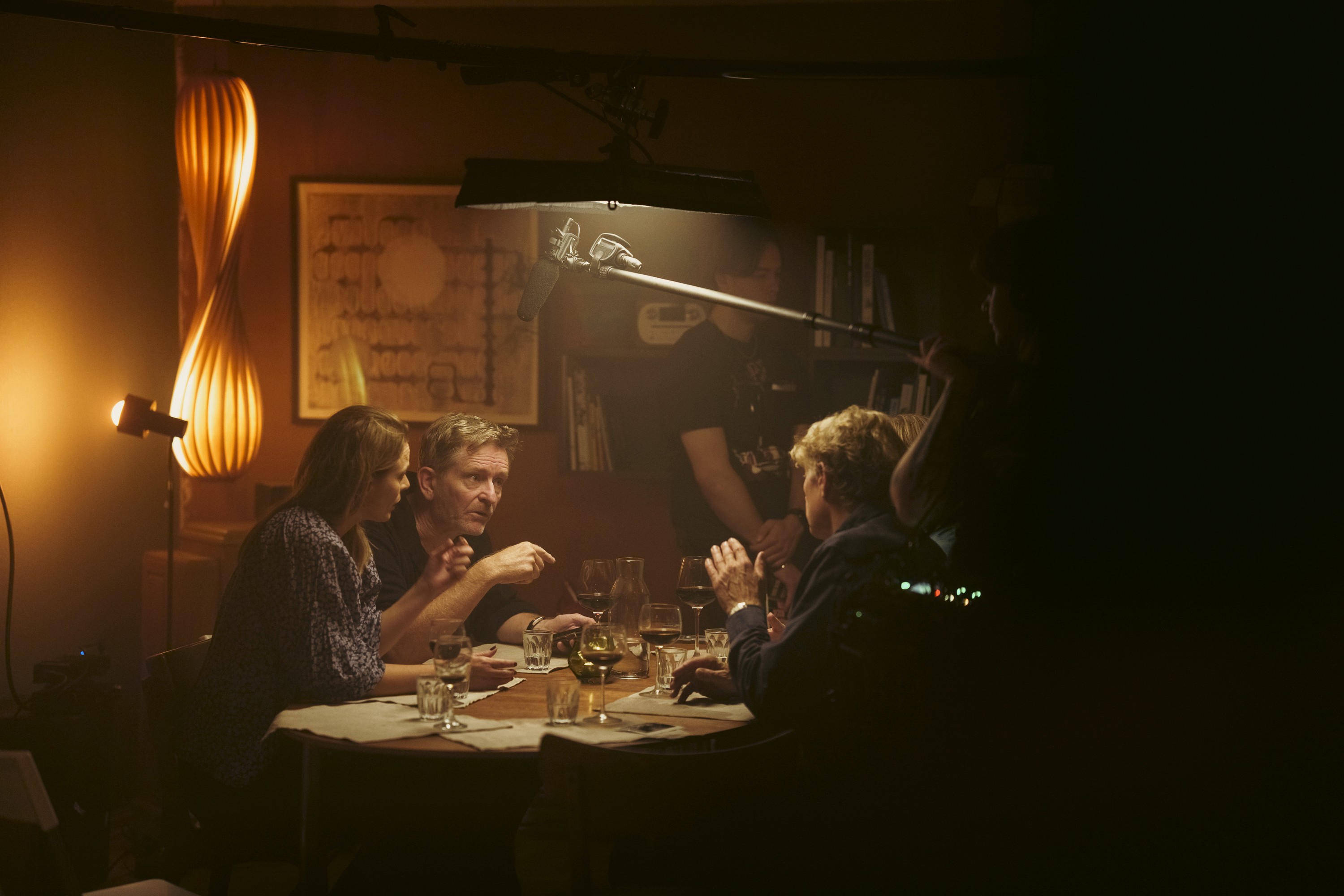
It was also my first time shooting in full frame, which required some adjustment. Realizing that a 50mm no longer feels “telephoto” in the same way as on Super 35 was an interesting shift.
Overall, I’m very happy with both the lighting and the color throughout the film. We also found a location with natural depth and texture, with practical lamps and strong color contrasts in the walls. It may come slightly at the expense of realism for a student apartment, but sometimes I believe cinematic quality is more important than strict naturalism.
If your image could give the audience one feeling, what would it be?
I want audiences to escape into another world, to feel and experience situations and emotions beyond their everyday lives.
At least for me, everyday life isn’t particularly cinematic. That’s why I want to make films. The films and series that affect me most feel larger than life and offer experiences I don’t get in my own reality. That’s why I’m especially drawn to fantasy and sci-fi. However, Ved Veiens Ende is a much more grounded story. In this case, I couldn’t push all the cinematic elements without making the audience too aware that they are watching a film. In stories like this, I think that works against the intention.
Roger Deakins says that the best cinematography is invisible because it immerses the audience in the story. I slightly disagree. Some of my favorite films are memorable because of the cinematography, because I notice the camera movement, the lenses, the colors. It should not be distracting, but if it becomes completely invisible, I think it can also become boring.
Who in Oslo should get the spotlight next, and why?
Malky Renate Frank. A very exciting director with several strong upcoming projects, including recently receiving funding for a series. Definitely someone to keep an eye on.
CONTACT:


