From Videographer to DoP: Two Cinematographers on the Jump
For some, this is common sense. But there was an honesty in that Discord question, a curiosity I want to champion.

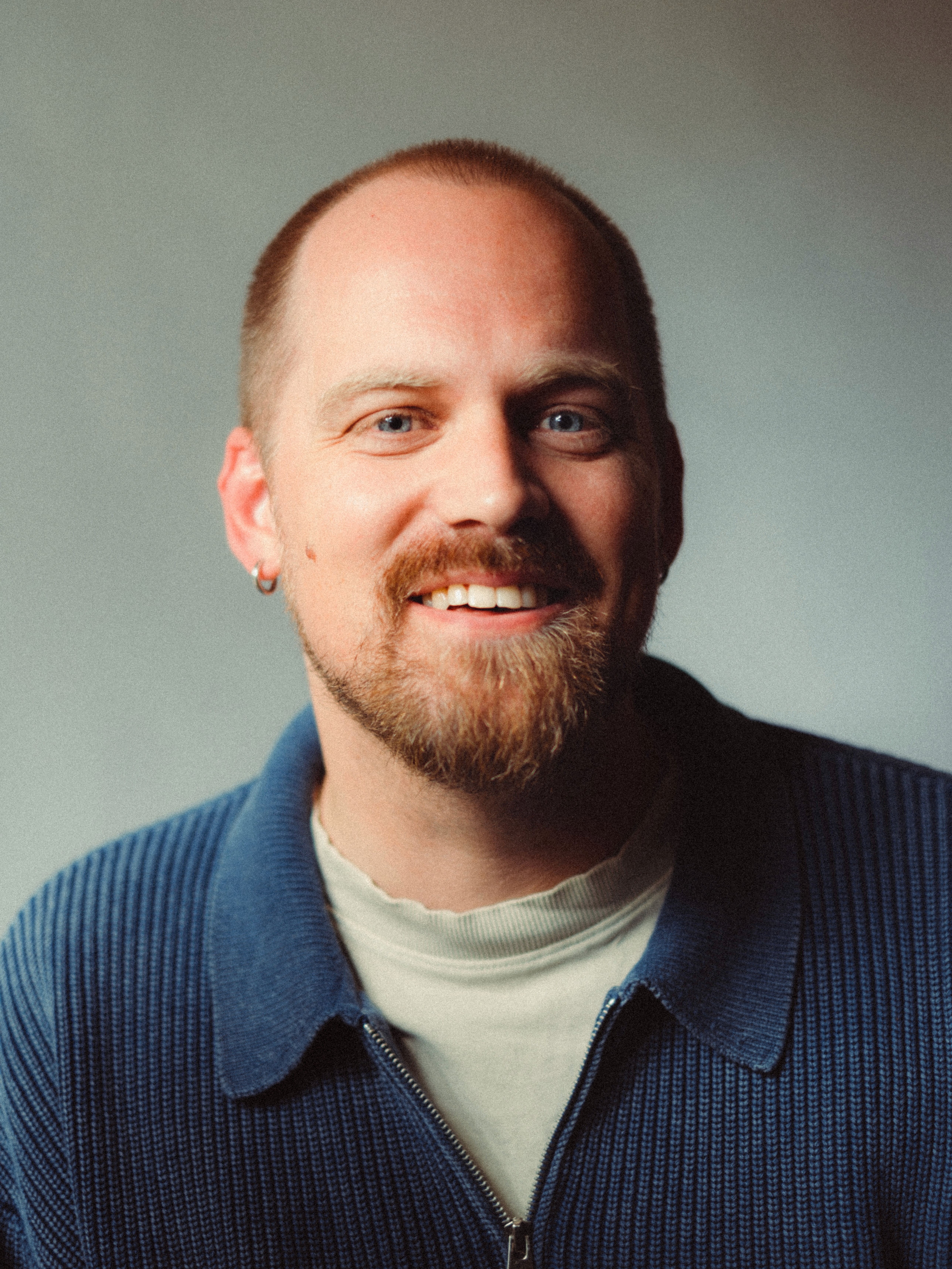
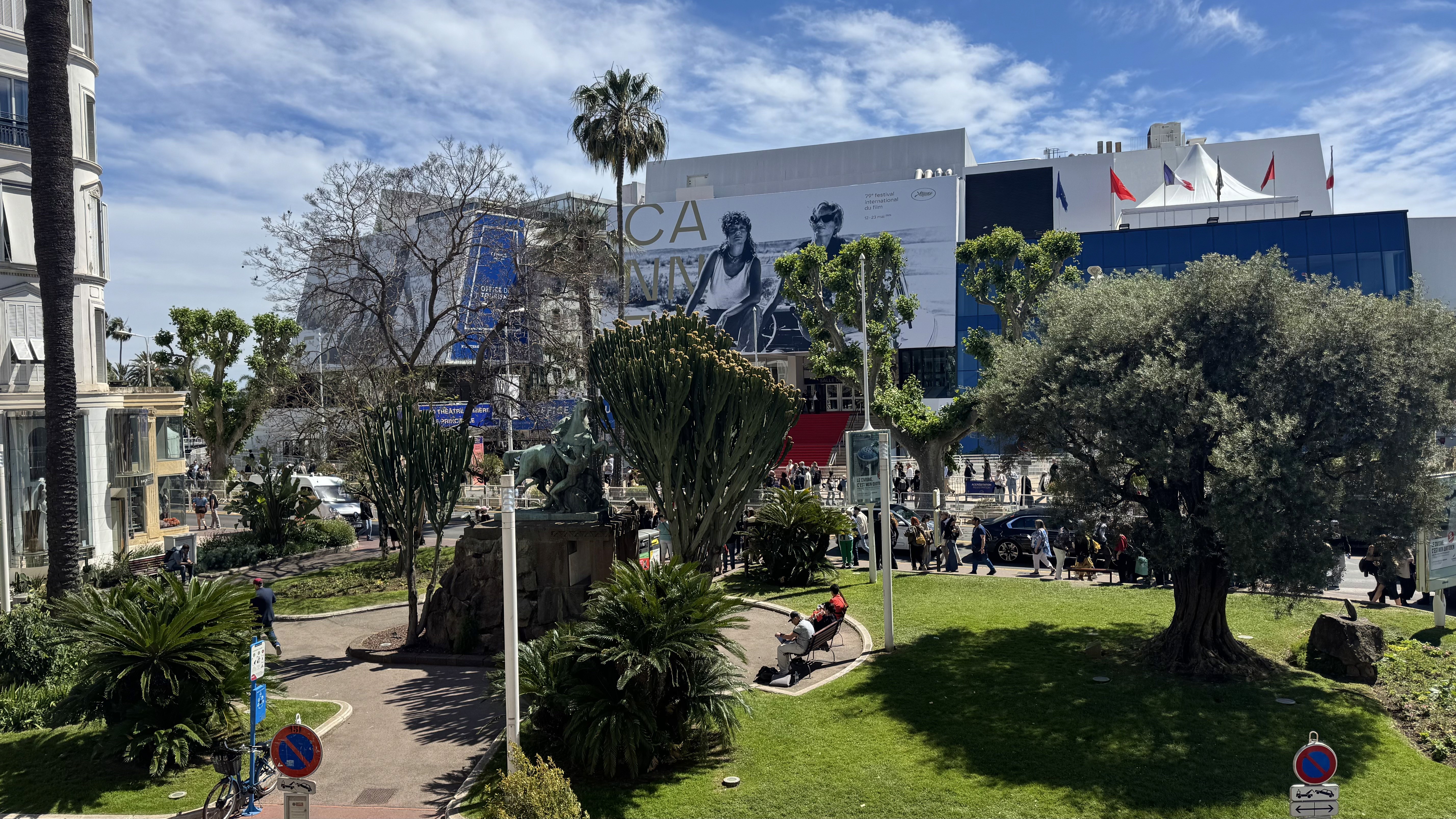
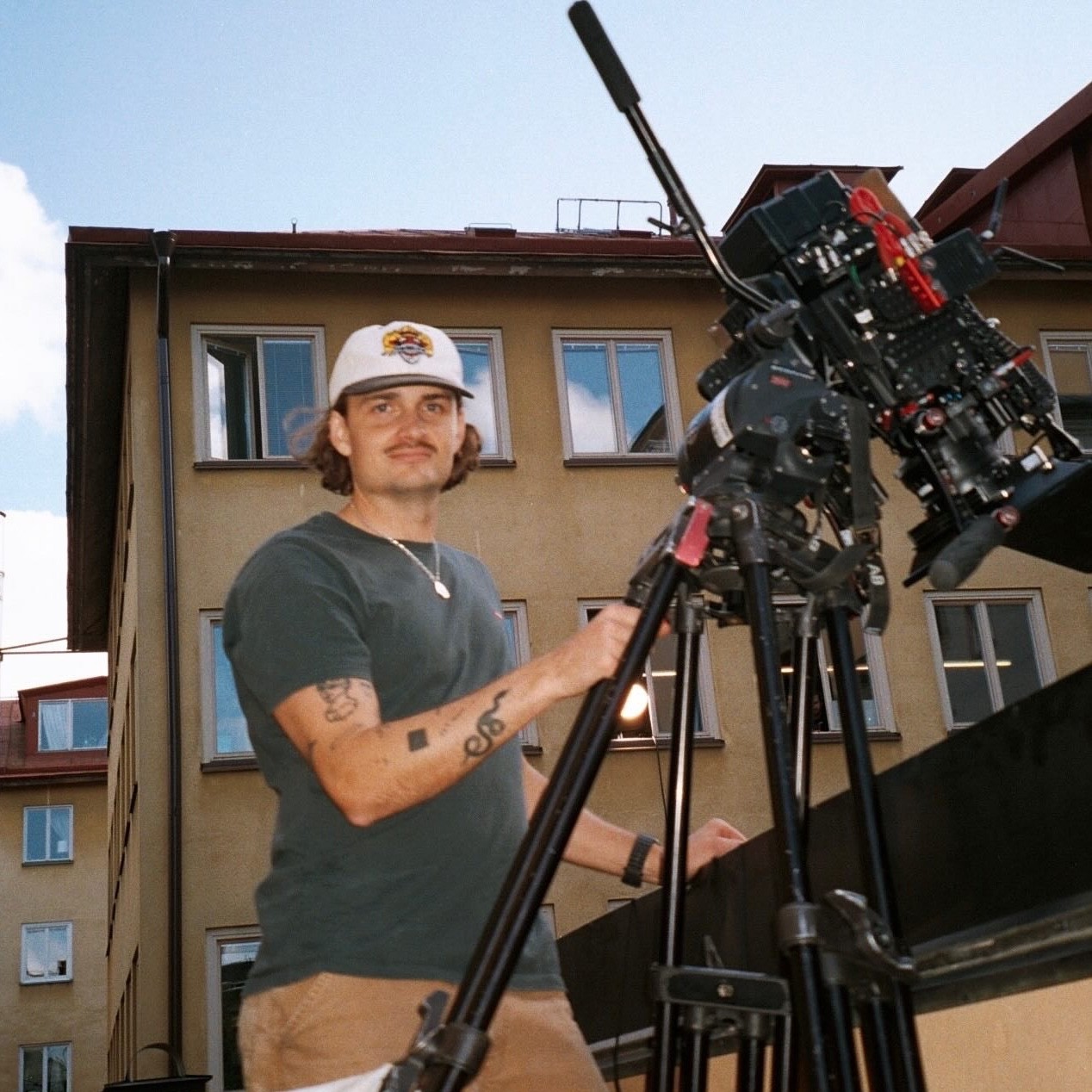
Photos: From Benjamin and Petter in the artcle.
The answer came on a Thursday. 10:04 was the timestamp. I was standing in the kitchen, phone in hand, and I read it twice. I had asked our Discord the day before, in our Cinematographer channel: what's the number one thing this community can do for you as a cinematographer?
One of our Discord members answered.

"To teach me the one thing that school doesn't, how to actually communicate with clients, how to behave on set, how to not only know how to work the camera, but everything surrounding it too. in school i mostly learnt how to operate the camera and some minor DoP stuff, but not a single thing on how to actually get work as a videographer/cinematographer"
Three years of school. He knows the camera. He can light a scene. And nobody has told him the one word that decides whether he gets paid for any of it.
A good question, with many angles to answer. So I asked him back:
Do you see yourself as a DoP working with directors, or a videographer who's a resource for commercial clients?
They require two different approaches. Two different businesses that happen to share a camera.
I've stood on both sides. I worked as a cinematographer early in my career, and somewhere along the way I noticed I had more to say about the story than about the technique behind the shot. So I switched. But the question stayed with me.
When I wrote back in the thread, another member put it better than I had: it depends on who you're talking to. At any given time.
At any given time.
That's the part I kept turning over. So I reached out. Asked two working DoPs the same question, how they see the role, and how they made the jump from one to the other.
– Benjamin Acoca, DoP – Norway & France

The main difference between Videographer and DoP is in my opinion in the process and thought of capturing/designing images that serve a story, a feeling. Videographers tend to capture images of a given scene, events or environment, with less attention to what I want the audience to feel. A DoP will focus more on lighting, camera moves and lens choices and how these translate into what the director wants the audience to feel.
Often, a videographer is a one person team (creative process, directing, filming, editing, client management) whereas DoP works on a larger production scale (work closely with a director, leads camera and lighting crew dept, and no client management).
The best way to transition from videographer to DoP is to train your eye and work approach toward a project, even if it's a small production job. Whether it is an event, a social media content or a portrait, principle of cinematography applies and therefore should be explored (ex - what type of lighting I'm searching for, is it only hard light, soft light, backlit everything or not, shallow or deep depth of field, telephoto or wide angle lens etc.)
Look at frame reference, identify what you like and dislike (in terms of lighting, contrast, lens choices) and try to recreate it. It can be a simple scene, a single shot. Then you will start filming with intention, rather than capturing what is presented to you.
Try as well to identify your visual style. Whether it's polished cinematography (low contrast ratio, soft key lighting and clean images, natural lighting and tripod moves) or a more gritty stylized cinematography (heavy contrast, wide angle, handheld and dynamic moves). Then a director will work with you because your style of cinematography matches what his visual storytelling is.
Some DoPs are great for high-end commercial work but suck at gritty music videos, and vice versa.
Best advice - Analyze and identify what kind of cinematography you like and practice it.
That's the craft answer. Bülling in Sweden gives the relationship answer, and he opens with the exact question I'd been circling.
– Petter Bülling, DoP – Sweden
To me, the biggest difference between a DoP and a videographer is who you're serving.
A videographer is often hired directly by a brand, company, or client to create content. The relationship is usually between the creator and the client, and you're often responsible for multiple parts of the process, from planning and shooting to editing and delivery.
As a Director of Photography, my primary creative relationship is often with the director. My role is to help translate ideas, emotions, and story into images. The camera is only one part of the job. Much of the work happens long before stepping onto set through conversations, references, testing, and collaboration. For me, cinematography is as much about the relationships you build during the creative process as it is about lighting or camera movement. It is through those relationships that the visual language evolves and takes shape.
One thing I think is often misunderstood is that cinematography is not necessarily about creating beautiful images. It is about creating the right images for the story. Sometimes that means making something visually striking, and sometimes it means stepping back and allowing the story, the performance, or the emotion of a scene to lead. The best cinematography is often the work that feels inevitable rather than impressive.
Many people start their careers wearing every hat, and I think that's incredibly valuable. I certainly did. It teaches you how productions work as a whole and gives you an appreciation for every department. But at some point, if your goal is to become a DoP, you need to shift your focus from simply operating a camera to becoming a visual storyteller and collaborator.
One thing I wish I understood earlier is that as a DoP, your client is not always the person paying the invoice. Your responsibility is often to the story, the director, and ultimately the audience. Understanding who you're serving creatively is just as important as understanding who hired you.
The technical side of cinematography can be learned. What takes longer is learning how to collaborate, communicate ideas, and build trust. That, more than cameras or lenses, is what I believe defines the role of a Director of Photography.
To wrap it up…
For some, this is common sense. But there was an honesty in that Discord question, a curiosity I want to champion. He knows how to operate the camera. What he was missing was someone to think out loud with.
The angle, it turned out, was to know your "client".